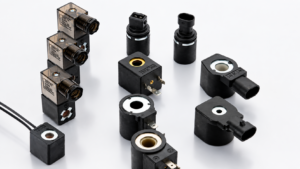

How to Choose a Solenoid Supplier for Appliance OEM Projects?
Choosing the wrong solenoid supplier creates hidden risks. These risks surface as product failures, damaging your brand's reputation. The key is to evaluate partners, not just products.
Choosing the right solenoid supplier for an OEM project means looking past the spec sheet. You need to assess their process maturity, customization capability, and understanding of your specific application. This is about finding a long-term partner who mitigates risk, not just a vendor with a low price.
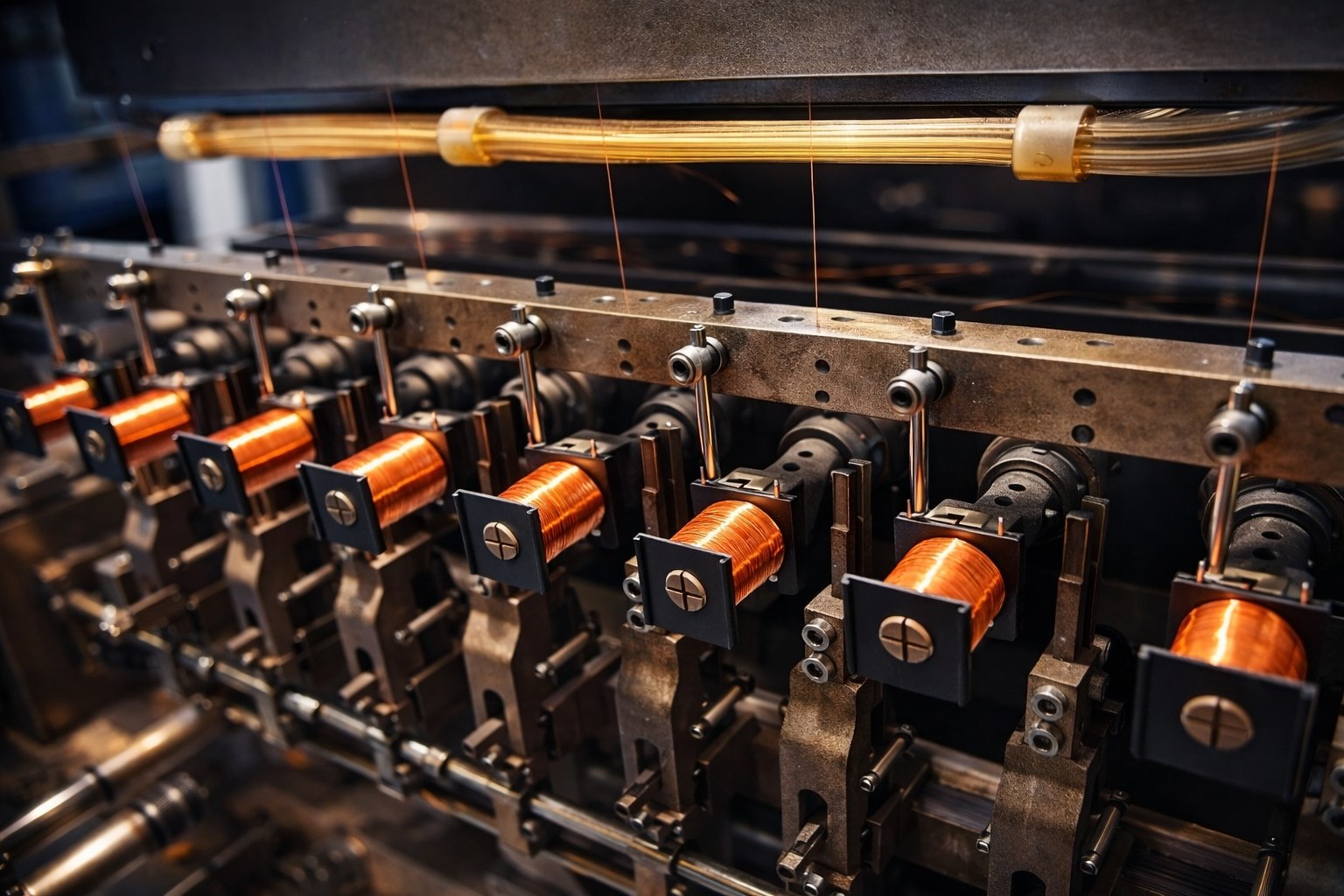
I have spent over 20 years in the solenoid manufacturing industry. In that time, I have spoken with hundreds of procurement managers from leading appliance brands. I have learned that the most successful ones don't just buy components; they build supply chains. They know that a tiny solenoid can be the single point of failure for an expensive appliance. This guide is built on that experience. It will show you how to move from a price-based decision to a risk-based one. Let's explore how to identify a supplier who will protect your brand and your bottom line for years to come.
What Do Appliance OEMs Look for in a Solenoid Supplier?
You are focused on unit price and technical specifications. But this narrow focus can miss critical long-term quality risks. It's time to shift your perspective to what truly matters.
Experienced appliance OEMs look beyond the unit price. They prioritize a supplier's process maturity, their in-house engineering support for customization, and a deep understanding of the product's real-world application. They are evaluating a partner’s ability to prevent failures, not just ship parts.

A common mistake I see is when a procurement manager sends a spec sheet and asks for a price. The best suppliers will respond with questions, not just a quote. They will ask, "What appliance is this for? What are the operating temperatures? How many cycles will it perform in its lifetime?" The "right" solenoid depends entirely on the application. A solenoid for a high-end coffee machine must withstand high heat and frequent cycles. A solenoid in a washing machine needs to resist moisture and vibration for over a decade. The initial conversation should be about the use case, environmental stresses, and potential failure modes. This is a much better indicator of a supplier's expertise than their standard catalog. A partner who understands your application context is a partner who can help you design for reliability.
Here is how the focus shifts:
| Traditional Spec-First Approach | Application-First Approach |
|---|---|
| Focuses on voltage, force, and size. | Asks about operating temperature, humidity, and cycles. |
| Sends a spec sheet for a quote. | Discusses the end-product and its failure modes. |
| Seeks the lowest unit price. | Evaluates the total cost of ownership, including risk. |
| Views supplier as a vendor. | Views supplier as a design and manufacturing partner. |
What Certifications Should a Solenoid Supplier Have?
You have a list of required certifications for your market. But having a certificate on the wall does not guarantee consistent quality on the production line. You need to look deeper.
Certifications like CE, UL, RoHS, and REACH are the necessary starting point. A truly reliable supplier demonstrates their commitment to quality with process certifications like ISO 9001 and, for more demanding applications, IATF 16949, which governs production line management.
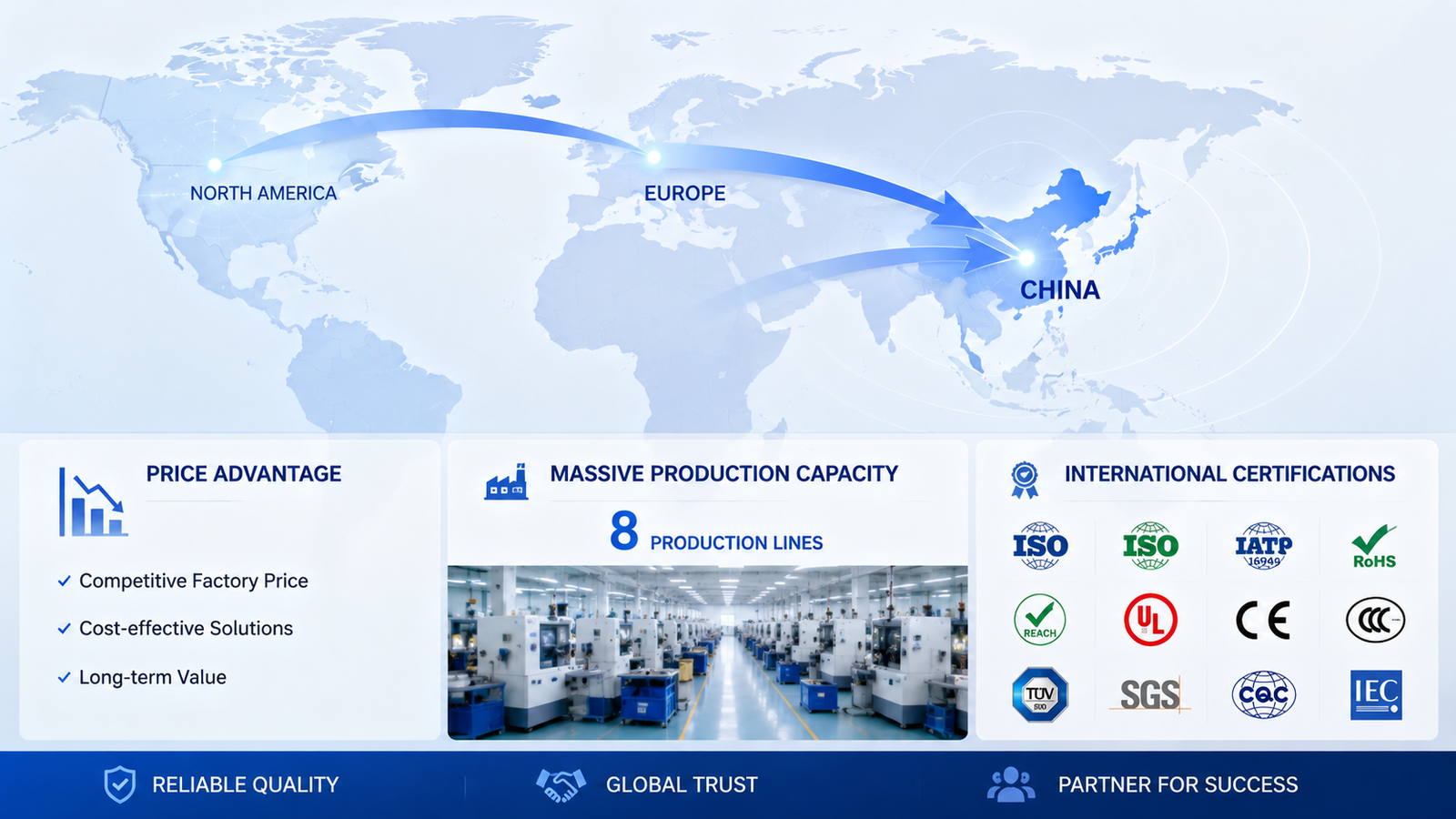
Think of product certifications as a ticket to the game; they don't guarantee the team will play well. They prove a product sample passed a test at one point in time. They say nothing about the supplier's ability to produce one million units with the same quality. For that, you need to look at their process maturity. The best question to ask a potential supplier is, "How do you ensure quality and consistency in mass production?" Look for evidence of robust quality systems. Do they have an ISO 9001 or IATF 16949 certified quality management system? Do they use a Manufacturing Execution System (MES) for part-level traceability? Can they show you documentation for their incoming material inspection process? These systems are what turn a certified product into a reliable supply of components. They are better indicators of a supplier’s ability to mitigate long-term quality risks.
| Baseline Product Certifications | Indicators of Process Maturity |
|---|---|
| CE, CB, UL, TUV (Safety) | ISO 9001 / IATF 16949 (Quality Management System) |
| RoHS, REACH (Material Compliance) | MES Implementation (Traceability & Process Control) |
| Proves a sample met the standard. | Proves the factory has systems for consistent production. |
| A one-time verification. | An ongoing commitment to quality control. |
How to Evaluate a Solenoid Supplier Before Mass Production?
The pre-production samples look perfect. But can the supplier deliver thousands of them with the same quality? A failure during mass production can halt your entire assembly line.
Go beyond the sample. Evaluate their engineering team's depth by discussing customization needs. Ask for their quality control documentation, from raw material checks to 100% outgoing inspection protocols. A factory audit, whether virtual or in-person, is essential to verify these claims.
The best way to evaluate a supplier is to test their engineering team. Don't just ask if they can make your part. Present them with a challenge. Ask, "How can we improve this design for a high-moisture environment?" or "What material would you recommend to extend the thermal resistance?" A strong partner will have an experienced in-house engineering team. They will offer suggestions on materials, like heat-resistant plastics or high-purity copper wire, and discuss tooling design. A supplier who asks intelligent questions about your design is far more valuable than one who just agrees to everything. Next, demand transparency in their quality process. Ask to see their inspection system. Do they perform 100% outgoing inspection, or just statistical sampling? What are their procedures for inspecting incoming raw materials? A mature supplier will have this documented and will be able to provide traceability reports from their MES to prove it.
What Are the Most Common Mistakes When Choosing a Solenoid Supplier?
Small mistakes during supplier selection can lead to huge problems later. These issues can cause expensive warranty claims, production stoppages, and lasting damage to your brand. You can avoid these pitfalls.
The most common mistake is focusing only on the unit price. This ignores the total cost of ownership, which includes warranty claims and brand damage. Another is accepting a standard part when a custom solution is needed to ensure long-term reliability in your specific application.
In my two decades of experience, I've seen brands make the same mistakes repeatedly. The biggest is the unit price trap. Procurement managers are often measured on cost savings, so they push for the lowest price. But for a critical component like a solenoid, the real cost isn't the purchase price. It's the cost of a failure in the field. A recall or widespread warranty claims can cost millions and destroy consumer trust. A slightly higher unit price from a supplier with robust quality control is almost always a lower total cost of ownership. The second mistake is forcing a standard catalog part into a custom application. An off-the-shelf solenoid might be "good enough" on paper, but it wasn't designed for the unique stresses of your appliance. This is a common cause of premature failure. A reliable OEM partner will work with you to customize a solution that is built to last in its intended environment.
| Common Mistake | Better Approach |
|---|---|
| Focusing on Unit Price | Calculating the Total Cost of Ownership (TCO), including risk. |
| Accepting Standard Catalog Parts | Collaborating on a custom solution for your application. |
| Trusting Certifications Alone | Verifying the supplier's production and quality systems. |
| Treating the Supplier as a Simple Vendor | Building a long-term partnership with open communication. |
How to Choose the Right Solenoid Supplier for Long-Term OEM Projects?
You are launching a new product line that will be on the market for years. Your choice of supplier can lock you into a long-term partnership or a long-term headache.
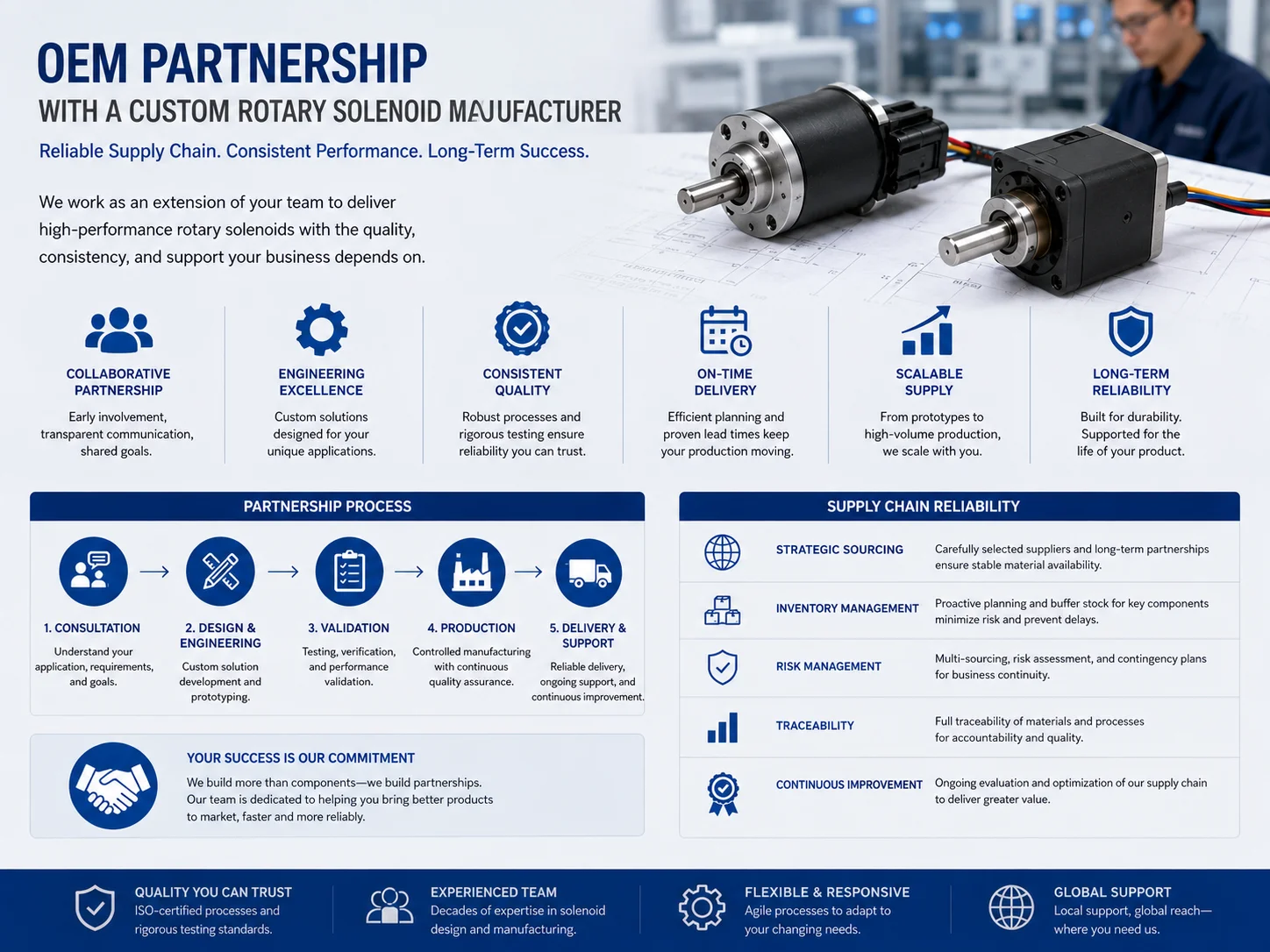
For long-term OEM projects, find a partner with a proven track record in OEM/ODM manufacturing. Look for robust traceability systems like MES and a flexible production setup with multiple lines. Their ability to collaborate on design and scale with your volume is crucial for success.

A long-term project requires a true partner, not just a component supplier. Your ideal partner has deep experience with international brands and understands the high stakes of the appliance market. They should act as an extension of your engineering team, offering collaborative design support to improve performance and manufacturability. Look for transparency. A partner who gives you access to their quality data through an MES system is one who is confident in their processes. This traceability is essential for quickly resolving any issues that may arise years after launch. Finally, consider their operational scale and flexibility. A supplier with multiple, well-managed production lines—for example, one operating 8 lines under an ISO 16949 system—can handle your volume growth and absorb unexpected demand spikes. They have the systems and capacity to be a reliable part of your supply chain for the entire product lifecycle, from prototype to mass production and beyond.
Conclusion
Choosing a solenoid supplier is a strategic decision about risk management. It requires looking beyond the price to find a long-term partner whose manufacturing processes and engineering expertise align with your brand's standards.
Looking for a Reliable OEM Solenoid Supplier?
Choosing the right supplier is about more than price—it's about long-term quality, engineering support, and reliable manufacturing.
Whether you're developing home appliances, coffee machines, water treatment systems, or industrial equipment, our engineering team can help you select or customize the right solenoid solution.
👉 Contact us to discuss your project.