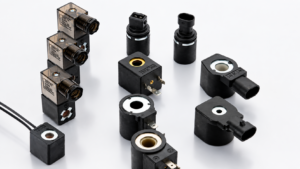
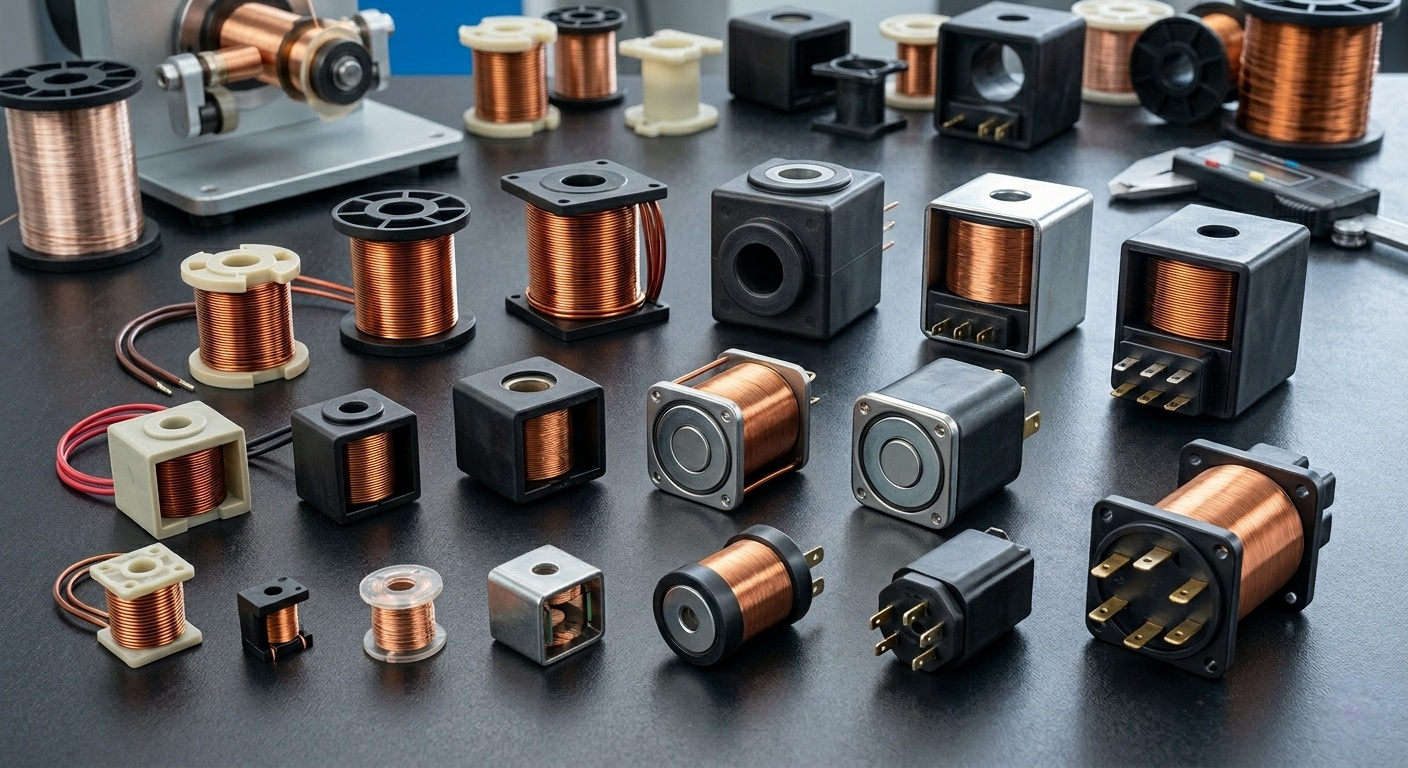
What Are the Types, Uses, and Manufacturing Processes of Solenoid Coils?
Struggling with solenoid coil failures1 in your products? These issues can damage your brand's reputation and increase warranty costs. Understanding the core principles behind coil design is key to prevention.
A solenoid coil is an electromechanical component2 that converts electrical energy into linear motion. The main types are driving, holding, and proportional coils3, used in automotive, industrial, and home applications. The manufacturing process, involving precision winding4 and encapsulation, is critical for ensuring reliability and performance.
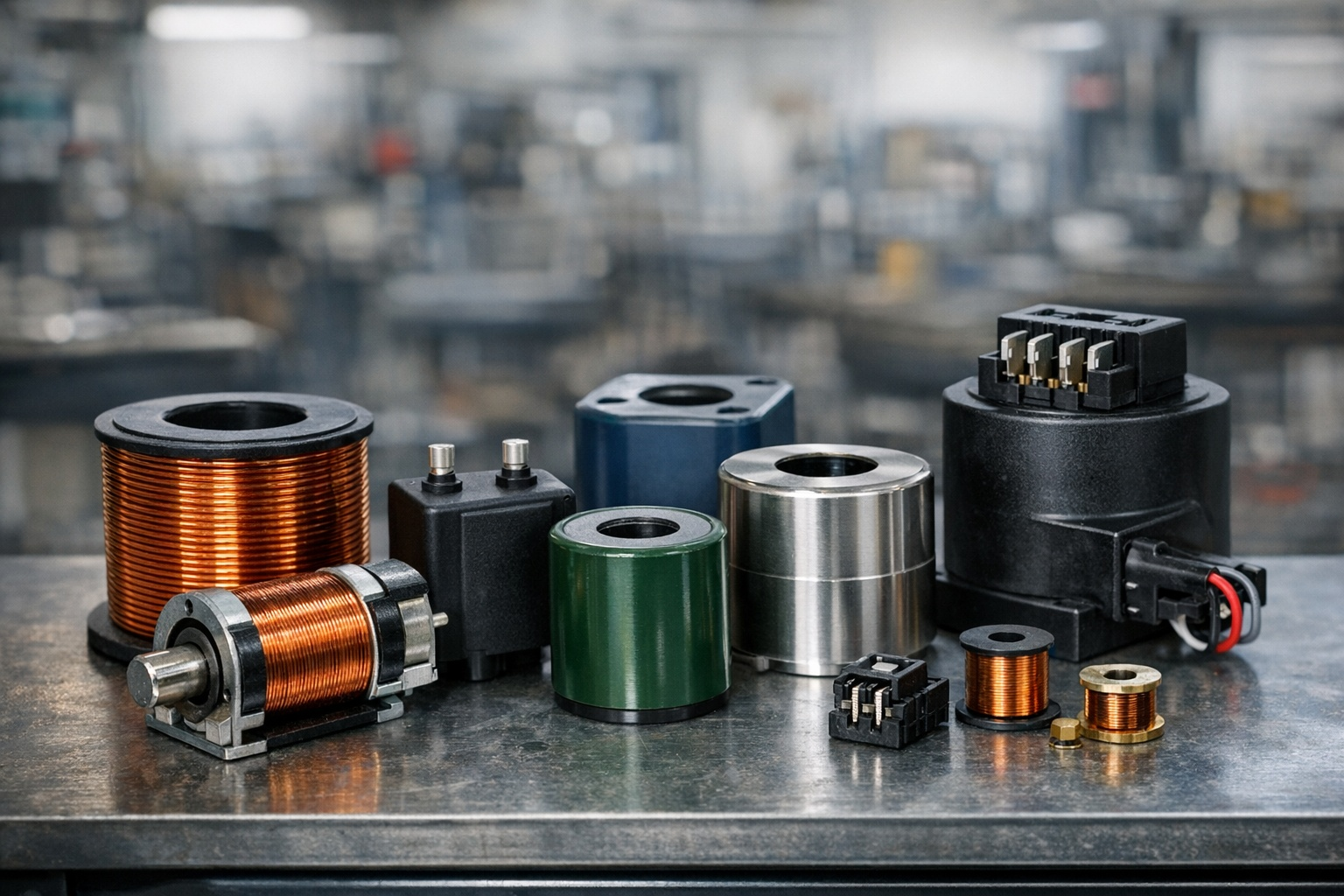
I have spent over 20 years working in our solenoid coil factory. In that time, I've learned that standard categories for coils don't tell you the most important thing. The real secret to a great coil isn't its label, but how it's built to perfectly match its specific job. This is about achieving the right fit, total reliability, and consistent quality in mass production. Let me show you what truly matters when it comes to these critical components. It's time to go beyond the basics and understand what makes a solenoid coil truly effective.
What Are the Main Types of Solenoid Coils and How Do They Differ?
Are you confused by the countless solenoid coil types available? Choosing the wrong one can cause your system to fail from overheating or slow response. Let's focus on their function.
The main types are driving coils5 for simple on/off action, latching coils6 for holding a position without power, and proportional coils3 for precise control. Their true differences lie in temperature rise, response time, and magnetic force stability7, which must be matched to the medium like water or oil.
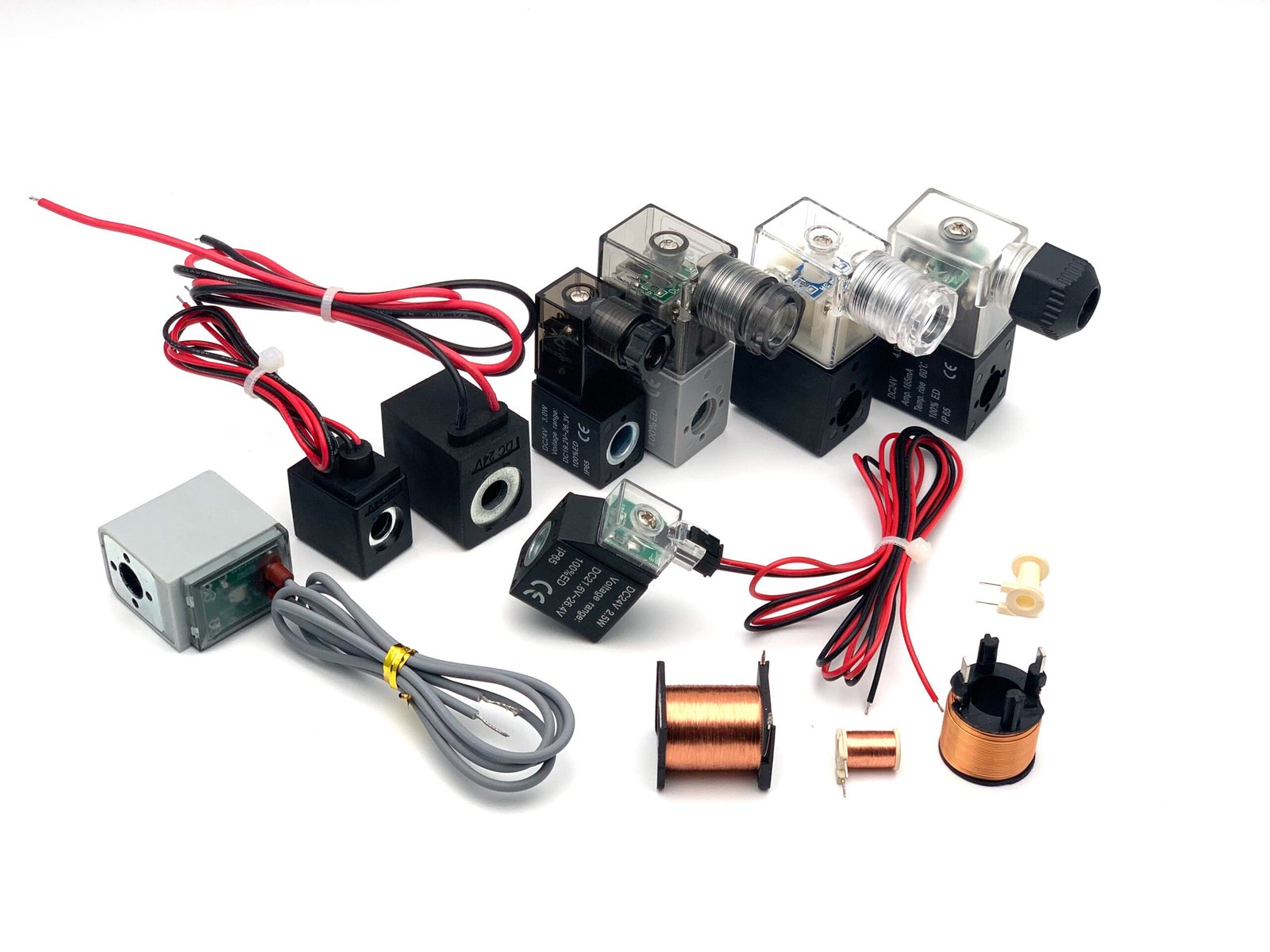
In my experience, you can forget the confusing marketing names. I see coils as doing one of three jobs. This simple view helps us focus on what the coil actually needs to accomplish in your product. Any other label is just noise. The performance characteristics, not the name, determine if a coil will succeed or fail.
Driving Coils (AC/DC Solenoids)
These are the workhorses. They get a signal and they act—moving a plunger in or out. Their job is simple on/off actuation. The key is ensuring they can handle the heat generated during continuous operation without failing.
Holding Coils (Latching Solenoids)
These are smart and energy-efficient. They use an initial pulse of power to move into position and then hold it with a permanent magnet, requiring no more energy. They are perfect for applications where power consumption is a concern.
Precision Control Coils (Proportional Solenoids)
These are the most sophisticated. They allow you to control the position of the plunger with high precision by varying the input current. This is essential for applications requiring modulation, like controlling fluid flow.
| Coil Type | Key Characteristic | Common Use Case | Main Challenge |
|---|---|---|---|
| Driving (AC/DC) | Simple, strong on/off action | Water valves in washing machines | Managing heat during long duty cycles |
| Holding (Latching) | Holds position with zero power | Battery-powered door locks | Ensuring consistent latch/unlatch force |
| Precision (Proportional) | Variable force based on current | Advanced hydraulic flow control | Maintaining linear response and stability |
Where Are Solenoid Coils Used in Automotive, Industrial, and Home Applications?
Do you know where solenoid coils are hiding in your products? A single failure in one of these small parts can cause big problems for an entire system. Let's look closer.
Solenoid coils are essential actuators. In automotive, they control transmission valves. In industry, they manage pneumatic and hydraulic systems. In home appliances8, they operate water valves. Their main job is to provide stable magnetic output in a very small space, where any deviation can lead to failure.
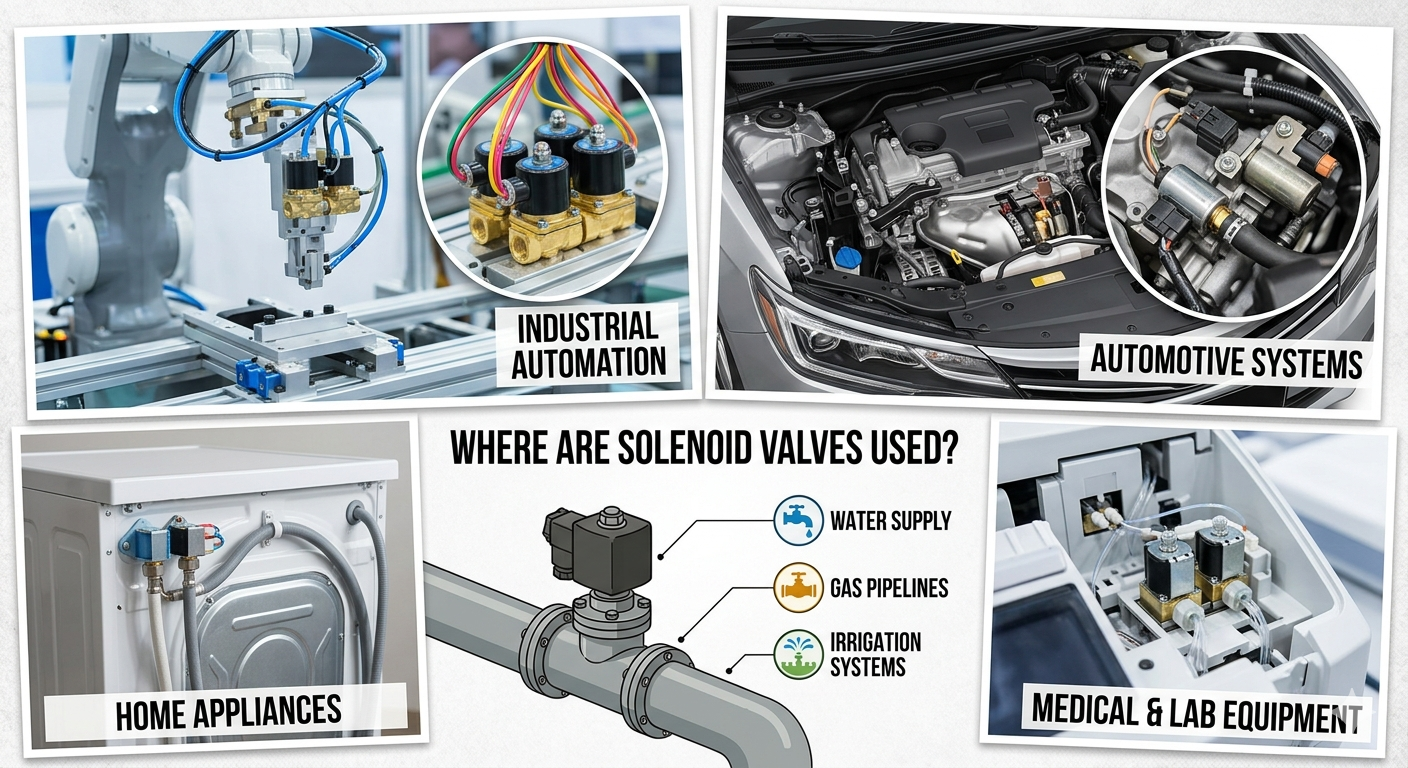
The common thread across all these applications is the need for reliable, long-term magnetic force in a compact area. Think about it—a tiny coil is responsible for a critical action. If the magnetic force is inconsistent, even by a small amount, the entire system can fail. A valve might not close completely, causing a leak. A gear might not engage properly, causing a transmission to slip. This is why consistency is everything.
Automotive Systems
In cars, coils operate in a harsh environment with extreme temperatures and constant vibration. They are used in automatic transmission valve bodies, fuel injectors, and EGR valves. Here, failure is not an option. A coil must deliver the exact same force every time for hundreds of thousands of miles.
Industrial Automation
In factories, solenoid coils are the heart of pneumatic and hydraulic control valves. They work tirelessly, often cycling millions of times. They need to be incredibly durable and respond instantly to control machinery with precision. A delay of milliseconds can disrupt an entire production line.
Home Appliances
In your home, coils are in your washing machine, dishwasher, and coffee maker. They control the flow of water safely and reliably for years. Here, the challenge is cost-effective reliability and ensuring they meet strict safety standards like CE and UL.
How Are Solenoid Coils Manufactured Step by Step?
Think all solenoid coils are made equally? Manufacturing shortcuts are a direct path to product failures and a damaged brand reputation. Let's look at the process that guarantees quality and reliability.
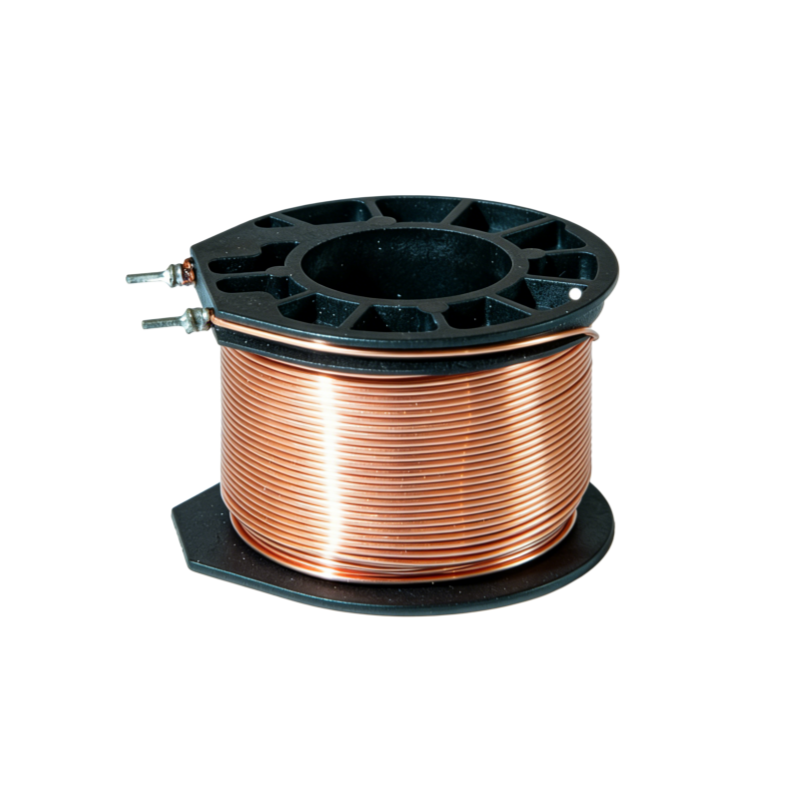
Manufacturing starts with winding high-purity copper wire9 onto a precision-molded plastic bobbin. The coil is then terminated, overmolded for protection, and vacuum impregnated with resin. This secures the windings and improves heat dissipation10. Every single step is critical for performance and a long service life.
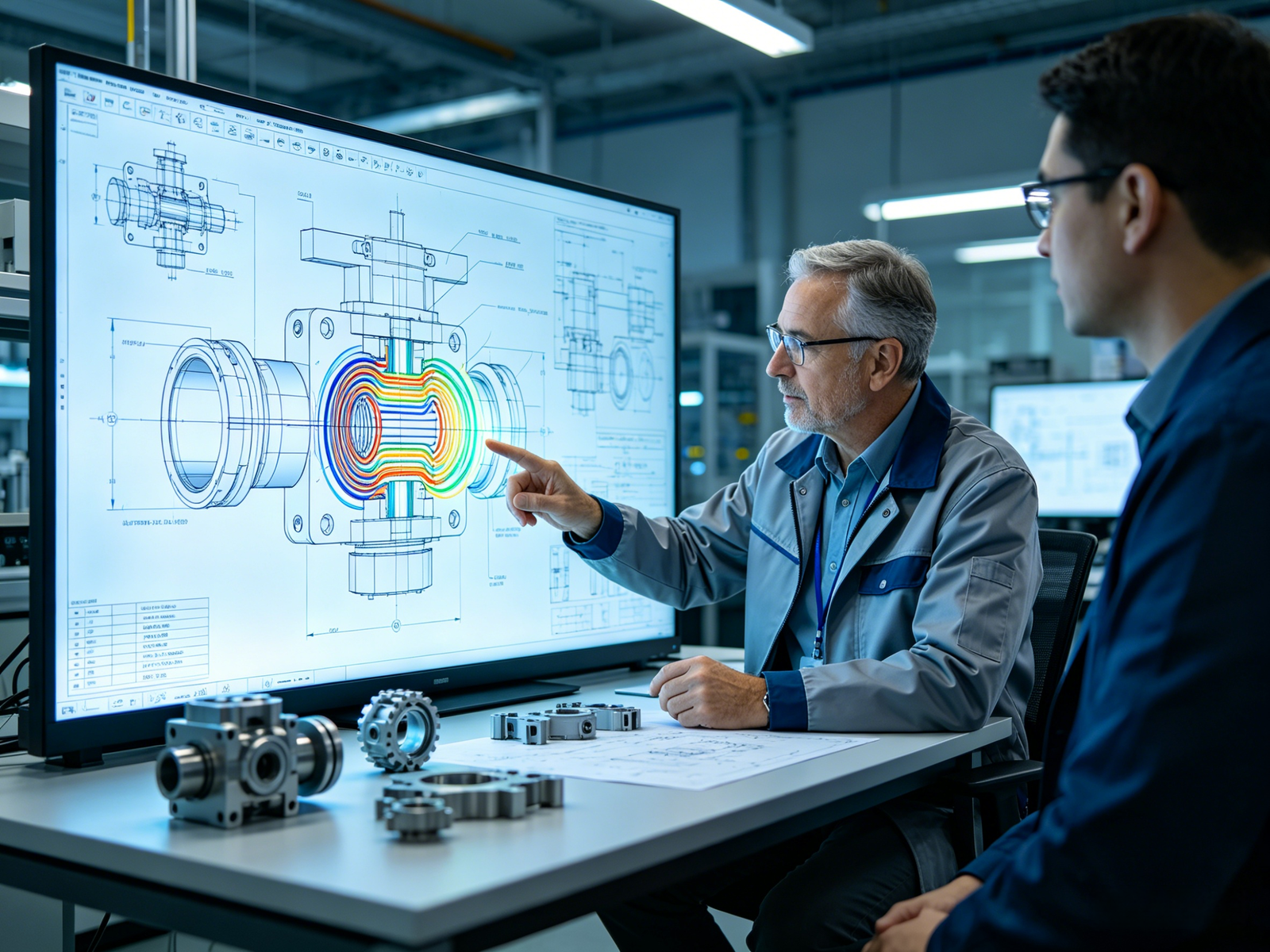
At our factory, we see the manufacturing process as our core strength. This is where we build in reliability. We don't just assemble parts; we control every detail of the process from raw material to finished product. This is the only way to guarantee the mass production consistency that our clients in Europe depend on.
Step 1: Bobbin Injection Molding
The process starts with the skeleton of the coil: the bobbin. We use high-performance plastics that can withstand high temperatures. Our molds are engineered for precision, ensuring the bobbin's dimensions are perfect. This foundation is critical for a uniform winding.
Step 2: Precision Coil Winding
This is the heart of the operation. An automated machine winds enameled copper wire9 onto the bobbin. The key here is tension control. We manage winding tension at the micron level. This ensures the wires are packed tightly and uniformly, which is crucial for a strong, stable magnetic field.
Step 3: Termination and Overmolding
Once wound, the coil's lead wires are connected to terminals. The entire assembly is then often placed into another mold and encapsulated with a durable thermoplastic. This process, called overmolding, protects the delicate windings from moisture, vibration, and physical impact.
Step 4: Vacuum Impregnation and Curing
For high-performance coils, we use vacuum impregnation11. The coils are placed in a chamber, a vacuum is pulled to remove all air from between the windings, and then a resin is introduced. This ensures the resin penetrates deep into the coil, locking the wires in place and dramatically improving heat transfer.
What Materials and Winding Processes Affect Solenoid Coil Performance?
Are your coils failing from heat or vibration? This is often caused by cheap materials or a poor winding process. Let's pinpoint what truly affects coil performance and durability.
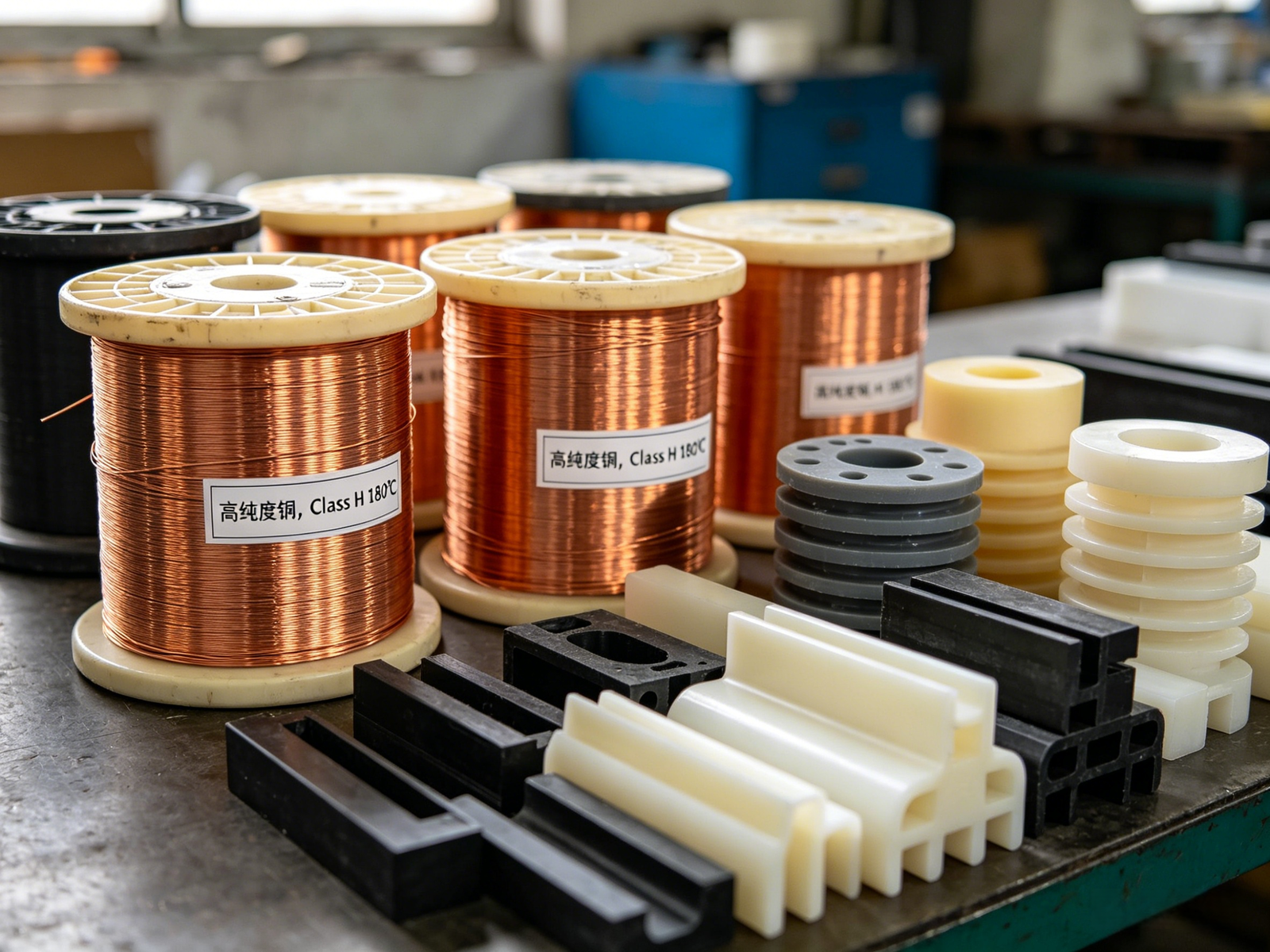
Coil performance depends heavily on the grade of the enameled copper wire9, the heat resistance of the bobbin plastic, and the winding tension. A tighter, more uniform winding improves magnetic efficiency and heat dissipation10. The insulation system is also critical to prevent electrical shorts and thermal breakdown.
Performance is not an accident; it is designed. The choice of materials and the control over the winding process are where experience makes a huge difference. I want to share a story. We had a major European client whose coils were failing in the field due to overheating. They came to us for a solution. Their previous supplier used standard materials and processes. We analyzed the failure and completely re-engineered the coil. We upgraded the insulation system to a higher temperature class, redesigned the winding density for better thermal performance, and changed the impregnation process for better heat dissipation10. The result? We increased the coil's operational lifespan by three times. This is what we do: we turn our decades of experience into a repeatable, scientific process that solves real-world problems.
The Copper Wire
It all starts with the wire. We select high-purity copper for its excellent conductivity. More importantly, we choose the right enamel insulation class. A higher class (e.g., Class H, 180°C) means the coil can operate at higher temperatures without the insulation breaking down.
The Bobbin and Encapsulation Material
The plastic bobbin must not just hold the wire; it must withstand the coil's operating temperature without deforming. The same goes for the overmolding or encapsulation material. It must protect the coil and be compatible with the working environment, whether it's exposed to engine oil or hot water.
The Winding Technique
This is a true craft. The tension of the wire as it's wound is critical. If it's too loose, the wires can vibrate, causing friction, heat, and eventual failure. If it's too tight, the wire can stretch, changing its resistance and performance. Our automated machines control this tension precisely, ensuring every coil is wound perfectly.
How to Choose the Right Solenoid Coil for Your Application?
Choosing a solenoid coil from a catalog can feel like a gamble. A wrong decision leads to project delays, wasted money, and poor product performance. Let’s create a clear checklist.
To choose the right coil, you must first define your application's voltage, duty cycle, required force, and operating environment. Then, communicate these specifications clearly to a manufacturer with proven OEM/ODM experience. They can then design a coil that delivers stable, reliable performance for your specific needs.
Choosing a coil is not about finding a part; it's about finding a partner. The goal is to work with a manufacturer who understands that the coil must be perfectly adapted to your application. It’s a partnership built on clear communication of your needs and the manufacturer's ability to translate those needs into a reliable, mass-producible component. Here is what you need to define.
Define the Operating Conditions
This is the basic information your supplier needs to get started. Be as specific as possible.
- Electrical: What is the voltage (AC or DC)? What is the maximum current? What is the duty cycle (is it on continuously or intermittently)?
- Environmental: What is the minimum and maximum operating temperature? Will it be exposed to water, oil, or other chemicals?
Specify the Performance Requirements
This tells the manufacturer what the coil must do.
- Mechanical: How much force or stroke is needed? How quickly must it actuate (response time)?
- Longevity: What is the expected lifetime? How many cycles must it endure?
Evaluate the Manufacturer's Capability
This is how you ensure you get a reliable, long-term partner, not just a supplier.
- Process Control: Do they control the entire manufacturing process in-house, from molding to winding to testing? Ask about their quality systems like ISO 9001 and their use of MES for traceability.
- Engineering Support: Do they have an experienced engineering team that can help you refine your design? Their ability to provide customization is a sign of true expertise.
Conclusion
A great solenoid coil perfectly matches its job, is built with total reliability, and can be produced with absolute consistency. This is how you ensure long-term performance and protect your brand.
Understanding the causes of solenoid coil failures can help you prevent them, saving costs and protecting your brand reputation. ↩
Exploring electromechanical components can enhance your knowledge of how solenoid coils convert electrical energy into motion. ↩
Understand the precision control offered by proportional coils, essential for applications requiring modulation like fluid flow control. ↩
Learn how precision winding affects the reliability and performance of solenoid coils, ensuring they function correctly in various applications. ↩
Discover the role of driving coils in solenoid applications, focusing on their simple on/off action and heat management during operation. ↩
Explore the energy-efficient nature of latching coils, which hold positions without power, ideal for applications with power concerns. ↩
Explore the importance of magnetic force stability in solenoid coils, ensuring consistent performance in various applications. ↩
Understand the importance of solenoid coils in home appliances, controlling water flow safely and reliably for years. ↩
Discover the role of high-purity copper wire in solenoid coils, offering excellent conductivity and insulation for reliable operation. ↩
Understand the role of heat dissipation in preventing solenoid coil failures, ensuring long-term reliability and efficiency. ↩
Learn how vacuum impregnation locks wires in place and enhances heat transfer, crucial for high-performance solenoid coils. ↩