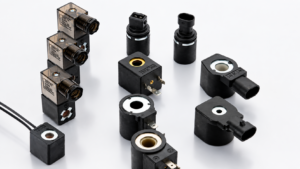
What Are Micro Coils? A Complete Overview of Design, Manufacturing, and Applications?
Struggling to find ultra-small, precise components for your device? Using the wrong parts can lead to poor performance and failure, hurting your brand. Micro coils are the answer.
A micro coil is an extremely small, precision-wound inductor1. It's made from fine wire, like copper or gold, and generates a magnetic field when electricity passes through it. This function is critical in medical devices, precision sensors2, and miniature motors for precise, reliable operation.
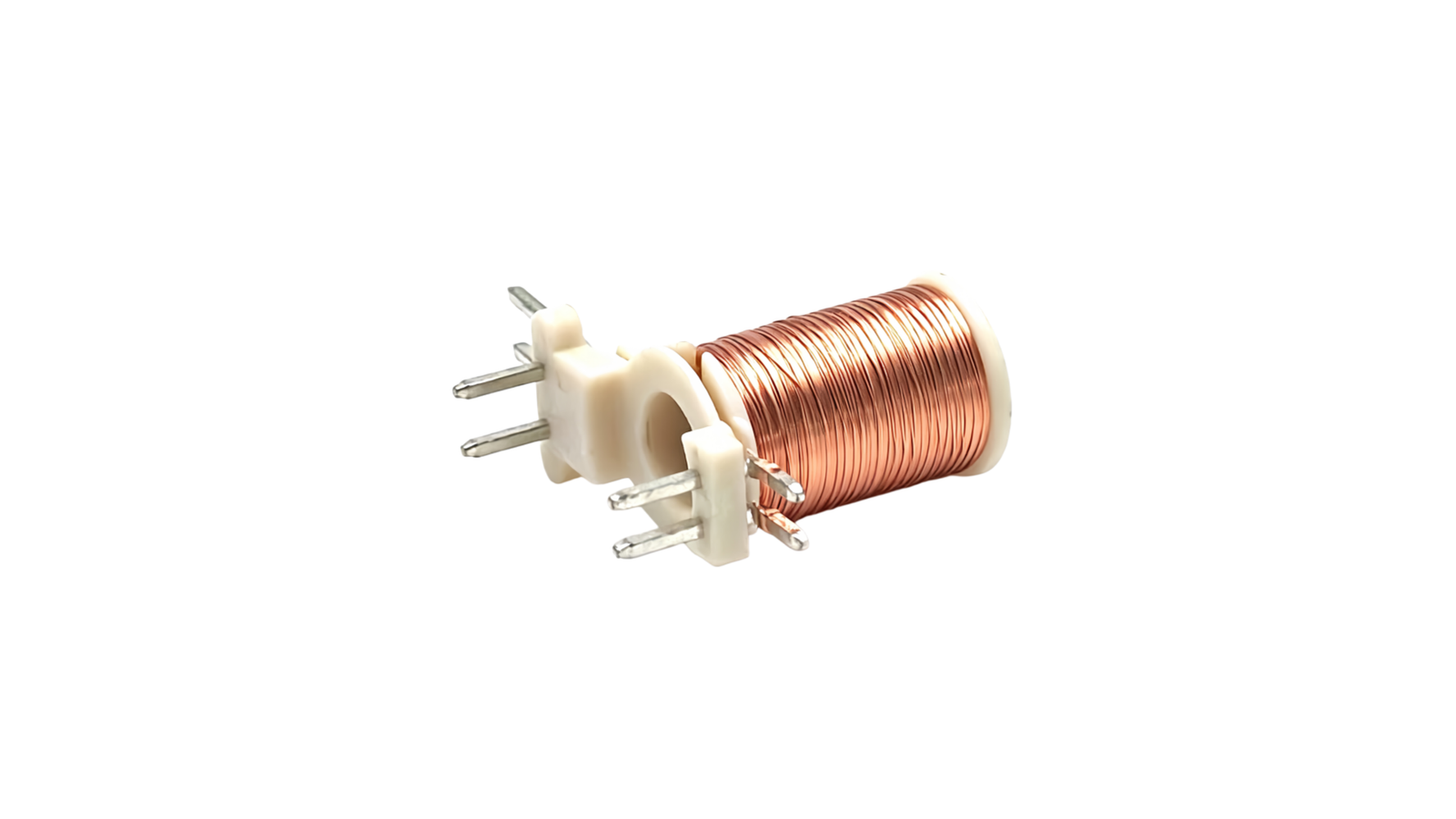
You now have a basic idea of what a micro coil is. But the real value lies in understanding how these tiny components are designed, made, and used in the real world. This knowledge will help you see how they can improve your own products. Let's dive deeper into the details that make these parts so special.
What Are Micro Coils and How Do They Work?
You hear the term "micro coil," but it sounds complex and technical. Not understanding their function means you can't choose the right one, risking your product's performance and reliability.
Micro coils are tiny inductors that create a magnetic field when electric current flows through them. They are made by winding fine wire around a central core or with no core at all. This simple principle of electromagnetism is essential for advanced devices.
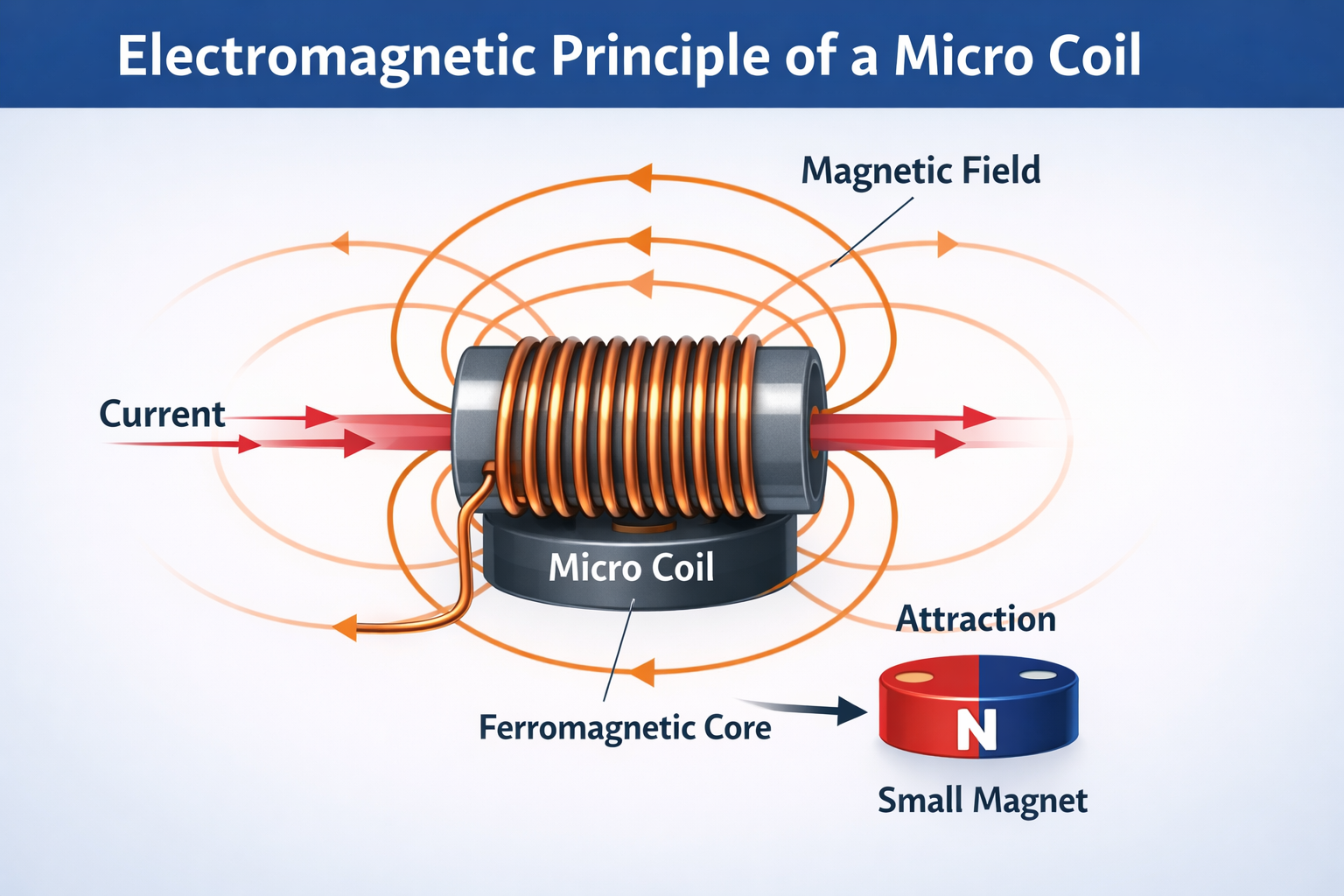
A micro coil is an incredibly precise electronic component. The wire used is often thinner than a human hair, made from materials like high-purity copper or even gold for special applications. The basic idea is simple: when you pass an electric current through the coiled wire, it creates a predictable magnetic field. This field can then be used to do work, like moving a tiny mechanical part, sensing the position of another component, or receiving a wireless signal. The performance of the coil depends heavily on its construction. There are two main types of micro coils, and the one you choose depends entirely on the job it needs to do.
Core vs. Air-Core Coils
The presence of a core material dramatically changes a coil's properties.
| Feature | Air-Core Coil | Core-Based Coil |
|---|---|---|
| Core Material | None (air or plastic bobbin) | Ferrite, iron, or other magnetic material |
| Inductance | Lower | Higher (core concentrates the magnetic field) |
| Signal Loss | Very low at high frequencies | Higher, depending on core material |
| Best Use Case | High-frequency applications like RFID, medical imaging | Low-frequency applications needing strong magnetic force |
Essentially, the core acts like a megaphone for the magnetic field, making it much stronger. This is great for motors or actuators. Air-core coils don't have this boost, but they perform better with high-frequency signals, which is why they are used in things like medical scanners and wireless communication devices.
How Are Micro Coils Designed for Precision and Reliability?
Your device demands extreme precision, and component failure is not an option. A poorly designed micro coil can cause inaccurate readings, system malfunctions, or a complete product failure.
Micro coil design is a detailed process that balances material selection, winding geometry3, and electrical requirements. Engineers use advanced simulation software to perfect the design before production, ensuring it meets exact specifications for inductance, resistance, and long-term reliability in critical applications.
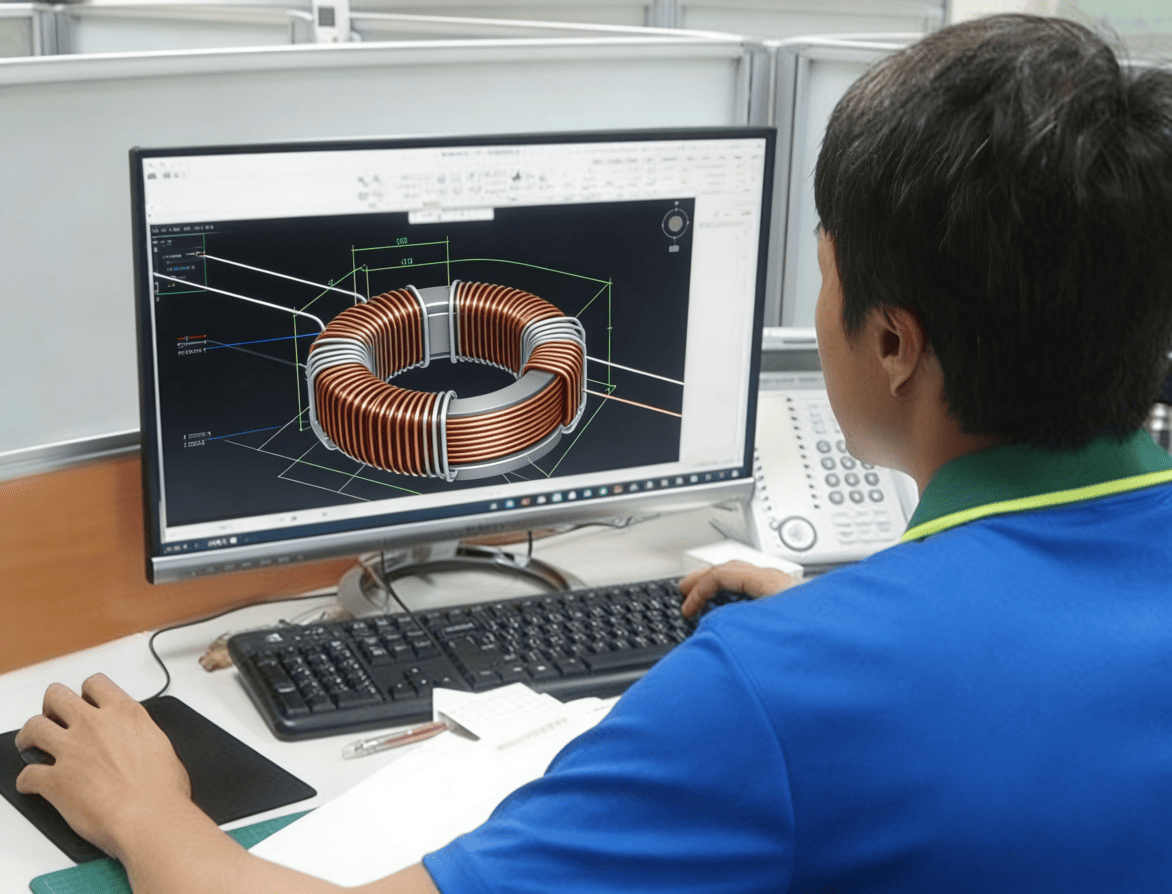
The design process is where a coil’s future performance is decided. It starts with understanding the customer’s needs. What job does the coil need to do? What space does it have to fit in? What environment will it operate in? As a manufacturer with over 20 years of OEM experience, we know that getting this part right is everything. A reliable micro coil is not made by accident; it is the result of careful engineering and planning. Every choice, from the wire to the winding pattern, has a direct impact on the final product's quality and consistency.
Key Design Considerations
Three areas are most critical during the design phase.
-
Material Selection The choice of materials is the foundation. We select high-purity copper wire4 for most applications due to its excellent conductivity. For medical devices that go inside the body, we might use gold wire for its biocompatibility. The wire is coated with a thin layer of enamel for insulation. The type of enamel is chosen based on the required temperature resistance and durability. The bobbin, or the frame the wire is wound on, is typically made from heat-resistant plastics that can be molded into complex shapes.
-
Winding and Geometry How the wire is wound is just as important as the wire itself. The shape of the coil, the number of wire layers, and the tightness of the winding all determine the strength and shape of the magnetic field. We use specific winding patterns, like helical or layered winding, to achieve the exact inductance and resistance required. The geometry must be perfect to ensure every coil we produce is identical to the last.
-
Simulation and Prototyping Before we make anything, we model the coil's performance using computer simulation software. This allows us to test different designs digitally, saving time and money. Once we have a promising design, we create physical prototypes. These are tested in real-world conditions to confirm they meet all specifications. This cycle of simulation and testing ensures the final design is robust, reliable, and ready for mass production.
How Are Micro Coils Manufactured? Key Processes and Technologies?
These coils are incredibly small, so how is it even possible to make them? The manufacturing process is so delicate that one small error can ruin an entire batch of products.
Manufacturing micro coils requires highly specialized technology. It involves precision injection molding5 for the frame, automated fine-wire winding6 in a controlled environment, and secure termination. Advanced machinery and strict quality control at every step are essential to meet tight tolerances.

Making a micro coil is a challenge of precision and control. It's a world where microns matter. I remember a project we did for a European client making micro stepper motors. They needed a coil bobbin with a wall thickness of only 0.16mm. That’s incredibly thin. The risk of the bobbin breaking during injection molding or the winding process was very high. Our engineers studied the problem carefully. We ended up using specialized injection molding machines from Japan and high-precision winding equipment. After many trials, we successfully developed a process that allowed us to mass-produce these delicate parts consistently. This experience showed us just how important advanced technology and engineering expertise are.
The Manufacturing Journey
Here are the core steps to create a micro coil.
-
Bobbin Injection Molding It all starts with the bobbin, the plastic frame that holds the wire. For micro coils, these bobbins are tiny and often have complex shapes. We use high-precision injection molding5 machines to create them. As in the stepper motor project, controlling the plastic flow and temperature is critical to form thin walls without creating weak spots. The mold itself must be perfect.
-
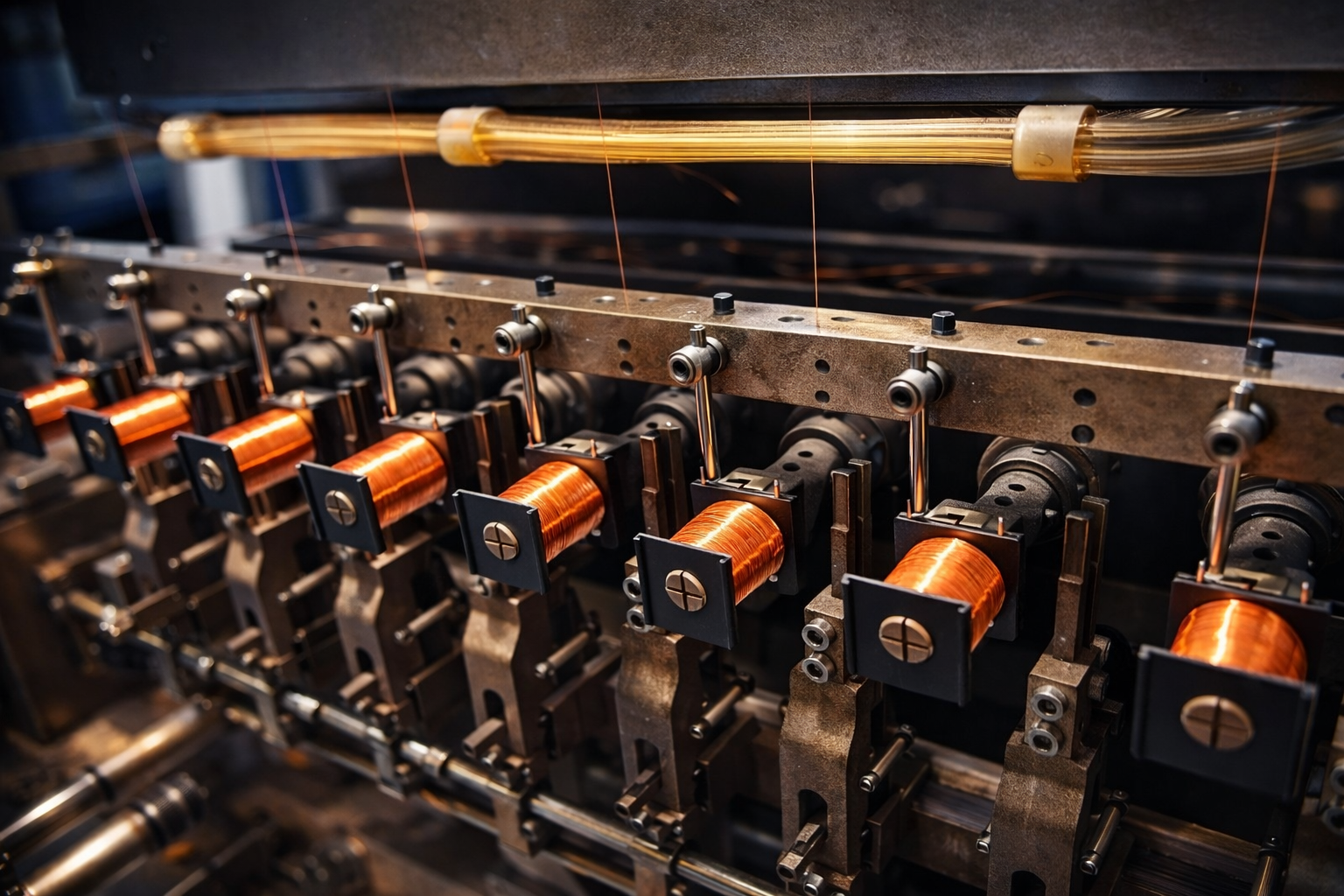
Fine-Wire Winding This is the heart of the process. An automated winding machine takes the fine wire and wraps it around the bobbin. The machine controls the tension of the wire, the speed of rotation, and the placement of each wrap. For a micro coil, the wire might be just 10 microns in diameter. The machine has to lay thousands of turns perfectly next to each other without overlapping or creating gaps. This all happens in a clean, controlled environment to prevent dust from contaminating the coil.
-
Termination and Quality Control Once wound, the two ends of the fine wire must be connected to terminals so the coil can be soldered to a circuit board. This is another delicate step. After termination, every single coil goes through testing. We use automated systems to check its inductance, resistance, and other electrical properties. Our factory uses an MES system to trace every part, and we follow ISO 9001 standards to ensure nothing is missed. Only coils that pass 100% of our tests are shipped to the customer.
What Are the Main Applications of Micro Coils?
You understand what micro coils are and how they're made, but where are they actually used? Without knowing their applications, you might miss opportunities to improve your own products.
Micro coils are vital in many high-tech industries. They are found in medical devices like MRI machines7 and pacemakers, consumer electronics like hearing aids8, industrial sensors, and miniature motors. Their small size and high performance make them essential for modern technology.
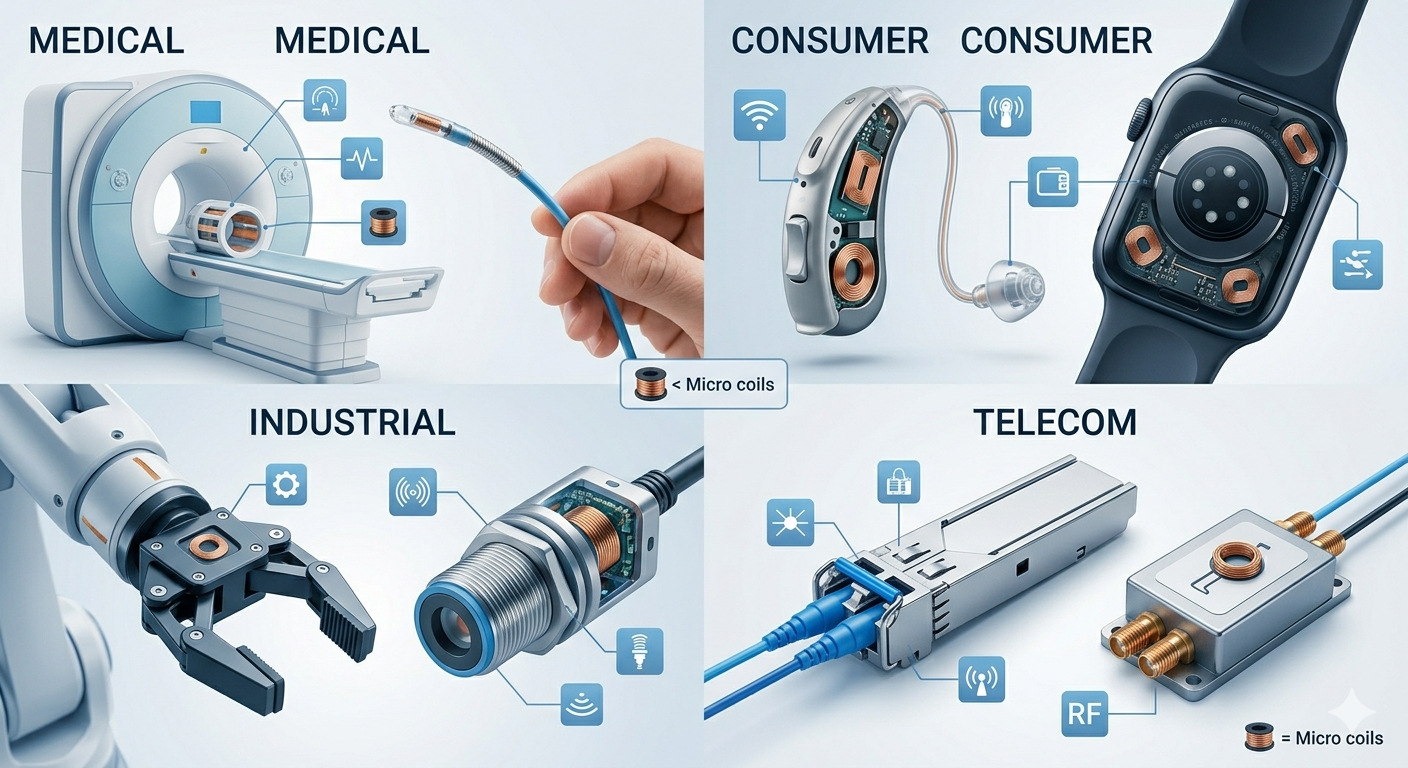
Micro coils are the hidden heroes inside many of the devices we rely on. Their ability to perform critical functions in a tiny space has opened the door to new technologies, especially in medicine and electronics. Because we provide custom OEM/ODM solutions, we’ve seen firsthand how these small components make a massive difference. For example, in a medical catheter, a micro coil at the tip can help a surgeon navigate through blood vessels. In a high-end audio device, a micro coil helps produce clear sound. They are everywhere, even if you can't see them.
Key Industries and Uses
The applications for micro coils are diverse, but they are most common where size and precision are the top priorities.
| Industry | Application Examples | Role of the Micro Coil |
|---|---|---|
| Medical Devices | MRI Machines, Pacemakers, Catheters, Endoscopes | Enables imaging, wireless communication, and precise navigation inside the body. |
| Consumer Electronics | Hearing Aids, Smartwatches, RFID Tags | Used for antennas to transmit/receive signals and in micro-actuators for haptic feedback. |
| Industrial Automation | Precision Sensors, Micro Motors, Actuators | Senses position and proximity with high accuracy; drives movement in tiny robots or machines. |
| Telecommunications | Fiber Optics, Signal Filters | Helps manage and filter high-frequency signals in communication networks. |
In each of these areas, the goal is the same: to get powerful performance from the smallest possible component. In MRI machines7, arrays of micro coils work together to capture high-resolution images of tissues. In hearing aids8, they act as tiny antennas (telecoils) to pick up sound from compatible phones or public address systems. Their versatility is what makes them so valuable.
How to Choose the Right Micro Coil Manufacturer?
You need a reliable supplier for a critical component like a micro coil. Choosing the wrong partner can lead to production delays, inconsistent quality, and long-term damage to your brand's reputation.
Select a manufacturer with deep OEM/ODM experience and a dedicated engineering team. Verify they have key certifications like ISO 9001 and comply with standards like RoHS and REACH. A strong partner will use advanced equipment and have a transparent quality control system.
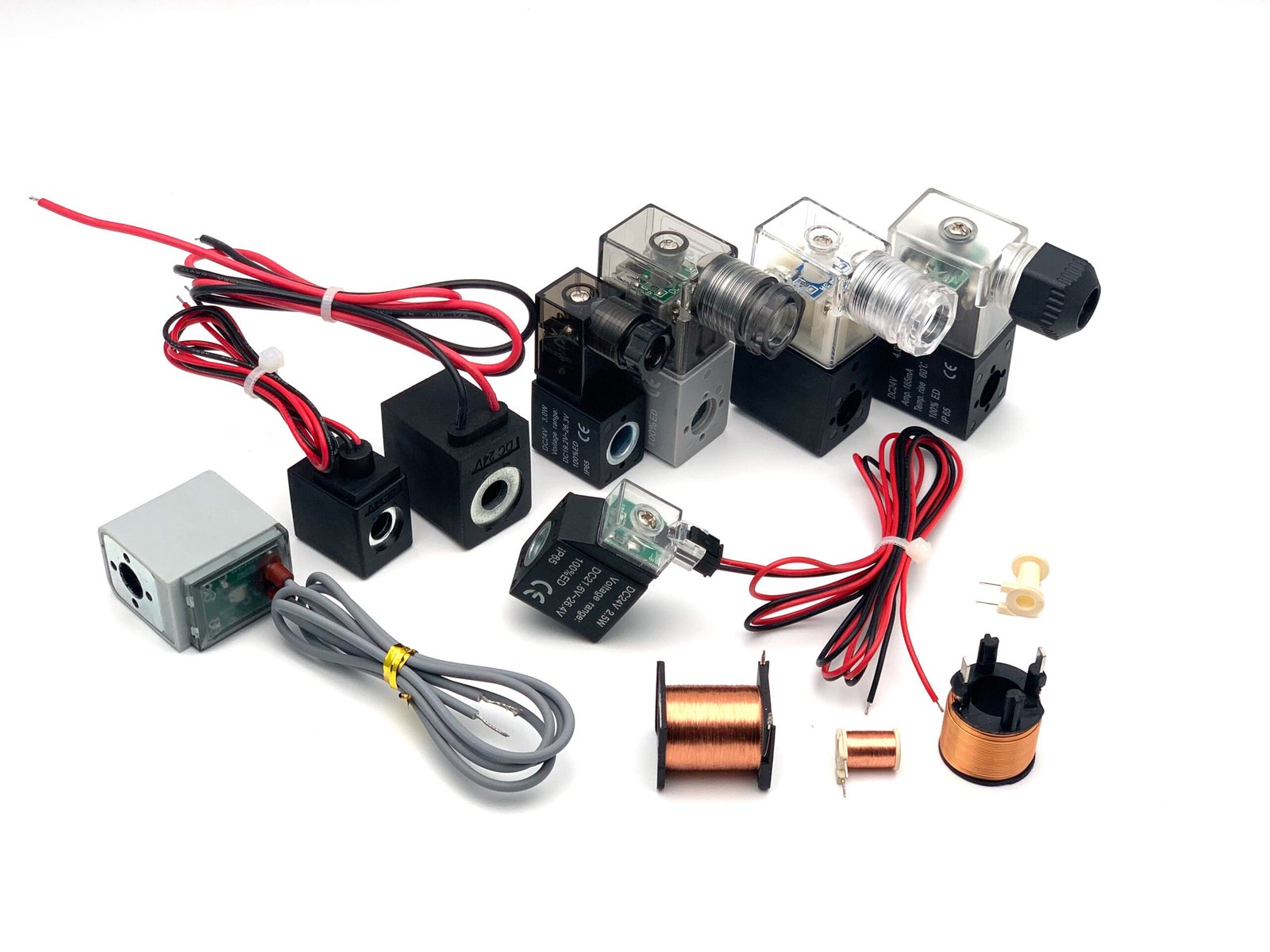
Finding the right manufacturing partner is just as important as designing the coil itself. This is especially true for complex components like micro coils. When you choose a supplier, you are not just buying a part; you are starting a long-term relationship. As a purchasing or brand manager for a major appliance brand, you know that a stable supply chain is everything. Your supplier's capabilities directly affect your product's performance in the market, your warranty costs, and your brand's reputation. After 20 years of being that partner for leading European brands, we have learned what truly matters.
What to Look For in a Partner
Here are the non-negotiable things you should demand from a micro coil manufacturer.
-
Engineering and Customization Expertise A good manufacturer doesn't just take orders. They should have an experienced in-house engineering team that can work with you to design, troubleshoot, and optimize your component. Do they have a history of solving difficult problems? Look for a partner with extensive OEM/ODM experience. This shows they can take an idea from a drawing to mass production.
-
Robust Quality Control and Certifications Quality can't be an afterthought. Ask about their quality control process. Do they inspect incoming materials? Do they have systems to monitor production in real-time? Do they test 100% of finished products? Look for manufacturers with an ISO 9001-certified system and a traceability system like MES. Also, ensure their products comply with international standards like CE, UL, RoHS, and REACH. This protects you from risk and ensures market access.
-
Advanced Manufacturing Technology Making micro coils requires significant investment in technology. A serious manufacturer will have modern, automated equipment for injection molding and winding. Ask about their production capacity. Do they have multiple production lines to ensure flexibility and on-time delivery? A factory that invests in its technology is a factory that is serious about quality and consistency. It shows they are prepared to support high-volume production for global brands.
Conclusion
Micro coils are tiny, powerful components essential for modern technology. Their complex design and manufacturing demand an expert partner. Choosing the right manufacturer is critical for your product's reliability and success.
Understanding precision-wound inductors can help you see their role in enhancing device performance and reliability. ↩
Micro coils provide accurate position and proximity sensing, essential for industrial automation. ↩
Understanding winding geometry will show how it impacts the strength and shape of the magnetic field. ↩
Learning about this material will explain its importance in ensuring conductivity and reliability in micro coils. ↩
This process is crucial for creating tiny, complex bobbins that hold the wire in micro coils. ↩
Automated winding ensures accuracy and consistency, critical for the performance of micro coils. ↩
Micro coils enable high-resolution imaging, making them vital for advanced medical diagnostics. ↩
Micro coils act as antennas, improving sound transmission and reception in hearing aids. ↩