How to Find the Right Custom Solenoid Coil Manufacturing Partner?
You need custom solenoid coils for your products, but choosing the wrong supplier can lead to product failures and huge costs. How do you avoid these hidden risks and secure your product's future?
The right custom solenoid coil partner offers more than just parts; they ensure your specific application needs are met with stable quality, reliable supply, and full compliance. This prevents long-term issues and protects your brand reputation.
Making an informed decision about your manufacturing partner is critical. It directly affects your product's performance, your supply chain's stability, and your brand's standing in the market. Let me share what I have learned from my experiences working with clients in this field.
What are the advantages of custom solenoid coil manufacturing services?
Off-the-shelf coils often fall short, causing performance issues and design headaches for procurement teams. Are you settling for "good enough" when your product needs more precise engineering?
Custom solenoid coil manufacturing tailors solutions exactly to your product's unique specifications, improving performance, efficiency, and integration while reducing the risk of failure in the long run.
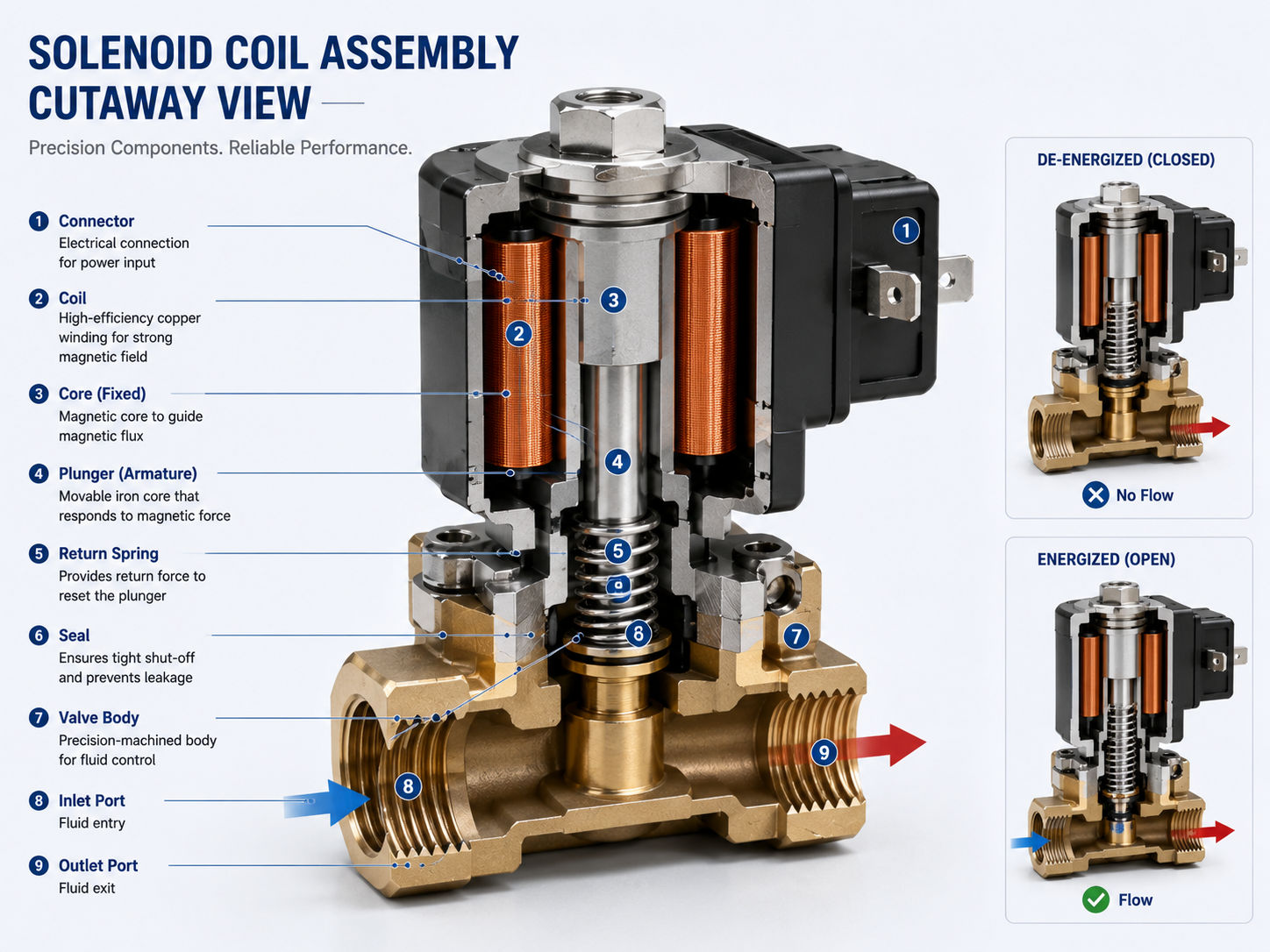
I often talk with procurement managers who think about custom coils as just fitting a specific voltage or resistance. But I have learned it goes much deeper than that. We help our clients see how custom solutions prevent either over-engineering or under-performance. For example, in a new washing machine model, the coil's power consumption and heat output are critical. A custom design can optimize these factors, directly cutting energy costs for the end-user and extending the appliance's life. It is about matching the coil's electrical and mechanical traits to the exact operating environment. This means considering things like ambient temperature, the coil's duty cycle, and the precise forces needed for activation. A good partner asks about the whole system, not just the coil itself. We look at how the coil fits into the valve, the fluid dynamics of the system, or the specific latching mechanism. This partnership approach helps us avoid common pitfalls that arise from simply matching basic specifications. This collaborative approach helps create a product that works better, lasts longer, and performs reliably for years.
How do custom solenoid coils improve industrial equipment performance?
Your equipment demands peak performance every day, but standard coils can bottleneck efficiency and shorten lifespan. Is your current solenoid limiting your machine's true potential and causing unexpected downtime?
Custom solenoid coils enhance industrial equipment performance by delivering precise actuation, optimized power consumption, and increased durability, all tailored to specific operational demands and environmental conditions.
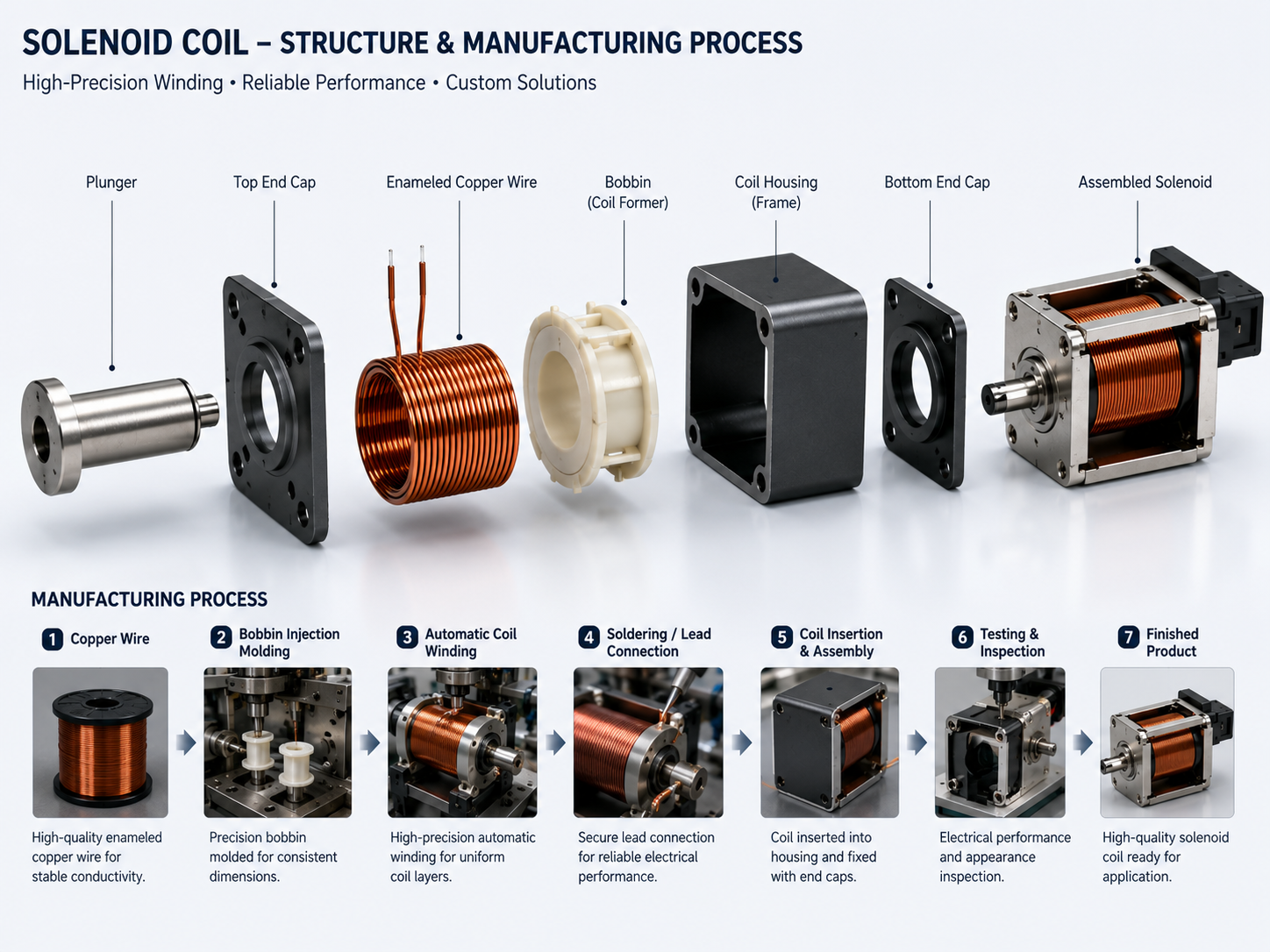
When I speak with brand managers, they want their products to be reliable and consistent. They understand that every single part, especially a core component like a solenoid, deeply impacts this reliability. Custom coils improve performance by fine-tuning force, speed, and energy use for the specific application. For instance, a custom-wound coil designed for a specific valve in a beverage dispenser can open or close faster with less power. This makes the overall machine more efficient and responsive. We discuss factors like pull-in and hold-in forces, which are critical for smooth and precise operation. If a standard coil gives too much or too little force, it can cause excessive wear on parts or lead to slow response times. The material selection also matters a lot. Using the right copper wire gauge or the proper insulation type can prevent overheating during continuous duty cycles. This means the equipment runs cooler, lasts longer, and needs less maintenance. I recall a project where a customer was experiencing premature failures in a commercial dishwasher. After looking at their application, we found their off-the-shelf coil was overheating due to constant, heavy cycling. We designed a custom coil with better heat dissipation properties and specific insulation, which completely solved their issue. This attention to detail in custom design translates directly to more reliable industrial equipment and happier end-users.
What materials and technologies are used in custom solenoid coil production?
You need robust, compliant coils that stand up to tough conditions, but the world of materials and production methods can be confusing. Do you know if your coils are built to last and meet all necessary international standards?
Custom solenoid coil production uses specialized materials like high-purity copper and heat-resistant plastics. These are combined with precision winding, injection molding, and advanced testing, ensuring specific performance and compliance.
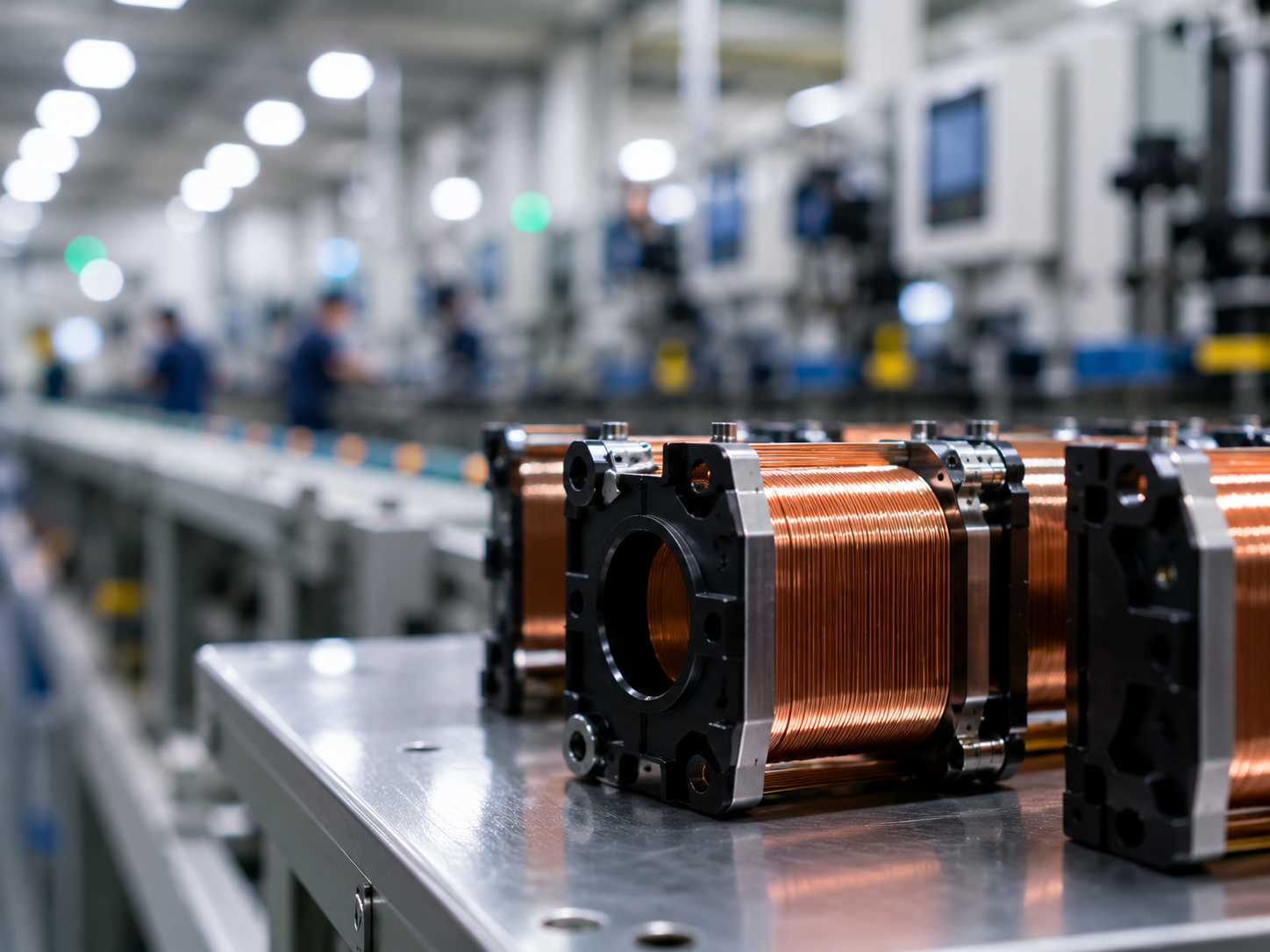
Clients often ask about materials, but it is not just about the raw material itself. It is also about its quality and how it is processed. For example, we use high-purity copper wire. This wire provides consistent electrical conductivity. It also reduces resistance and heat generation inside the coil. The plastic used for the coil bobbin is also very important. We select heat-resistant plastics. These plastics keep their shape and strength even in hot operating environments. This prevents deformation and failures. The winding process itself is critical for coil performance. We use precision coil winding machines. These machines ensure tight, even winding of the copper wire. This creates consistent electrical properties throughout the coil. Another key technology is injection molding for the bobbin and overmolding processes. This ensures exact dimensions and protects the coil from moisture, dust, and physical impact. I have seen projects where cheaper, lower-quality materials led to big problems. A low-grade copper wire caused higher resistance and led to coil burnout. Inferior plastic bobbins warped under operating heat, causing mechanical failures. These issues look like small cost savings at first. But they quickly lead to huge warranty claims and damaged brand reputation later on. We also ensure that all materials comply with standards like RoHS and REACH. This is verified through incoming material inspection. It is a vital part of ensuring our final products meet global compliance.
How to evaluate the quality of a custom solenoid coil manufacturer?
You need a reliable supplier who can consistently deliver top-tier components, but how do you truly assess their quality beyond simple claims? Are you confident your current partner can meet your long-term needs?
To evaluate a custom solenoid coil manufacturer, look for robust quality control processes, clear material traceability, comprehensive product testing (like CE, UL), relevant facility certifications, and a proven history of successful OEM/ODM partnerships.
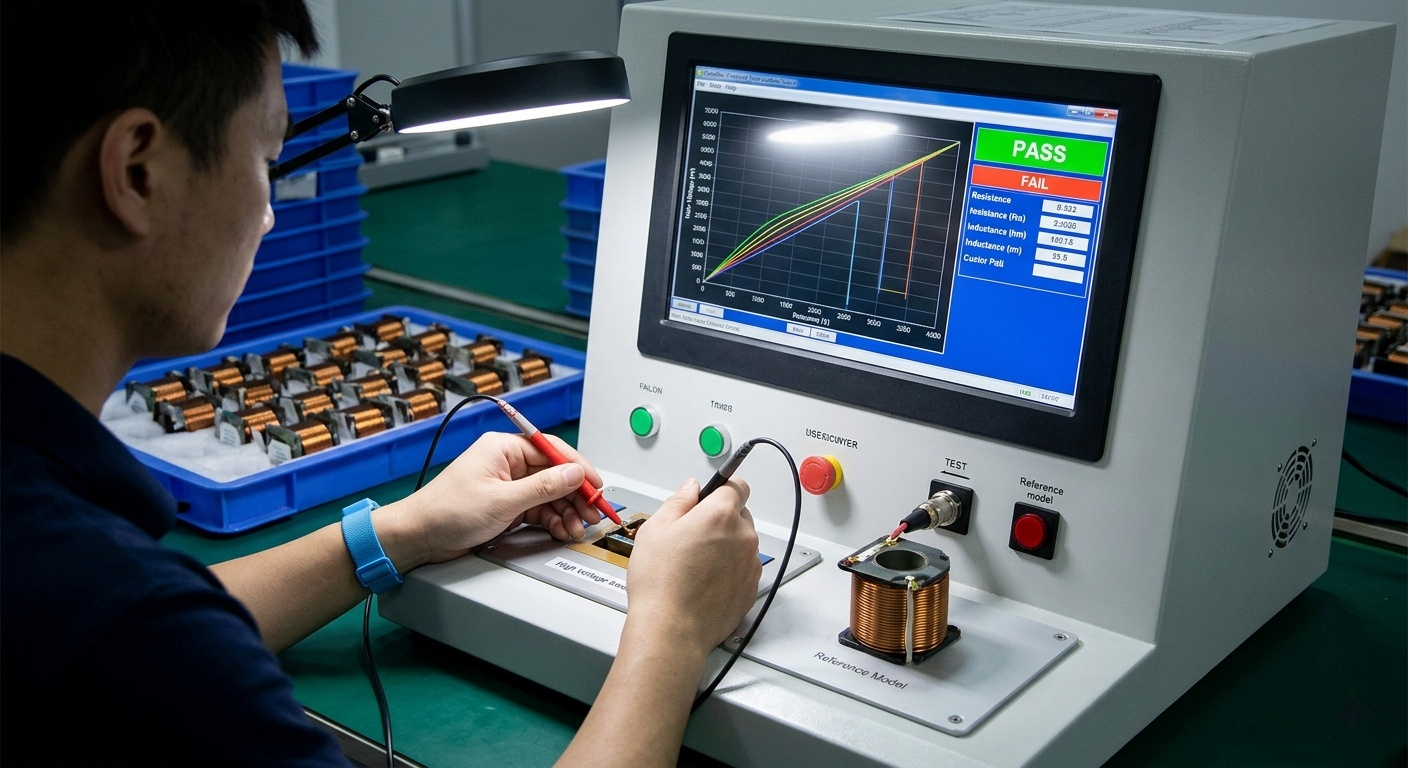
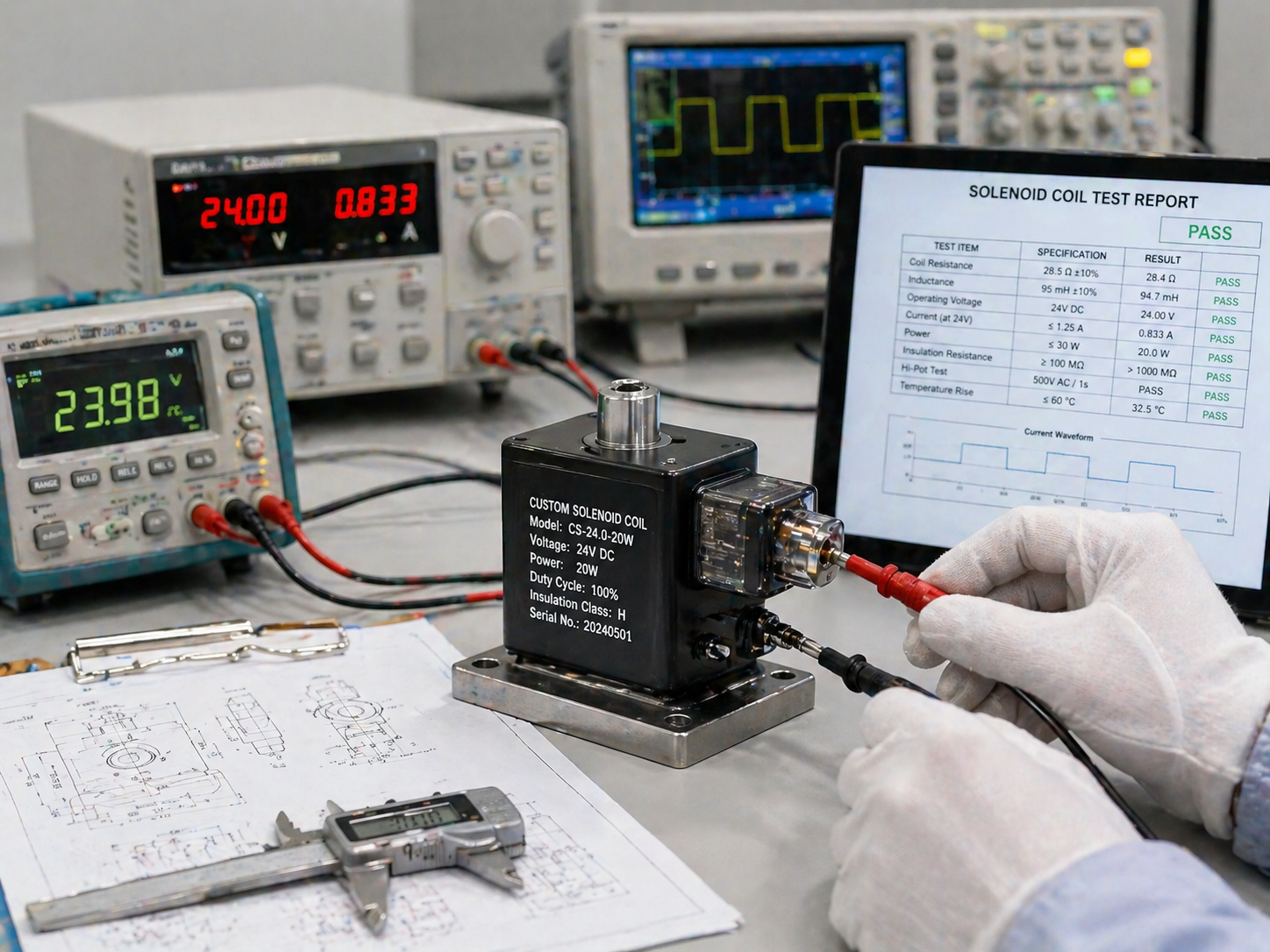
When I talk to new clients, they always ask about certifications. CE, UL, and RoHS are very important, yes. But I always tell them to look deeper than just the certificate itself. Certificates show a manufacturer can meet standards on paper. However, consistent product quality comes from their daily production processes. We prioritize a full, end-to-end quality control system. This begins with thorough incoming material inspection. Every batch of copper wire or plastic material is carefully checked. We confirm it meets RoHS and REACH requirements before it even enters production. During production, we use automated injection molding and assembly. This keeps the manufacturing environment controlled and significantly reduces the chance of human error. All products go through strict testing procedures. This includes electrical tests, precise pull force tests, and lifespan tests under various conditions. We ensure compliance with CE, CB, UL, RoHS, REACH, and TUV standards, which are critical for global markets. Our inspection system is 100% outgoing inspection. This is combined with ISO 9001 sampling standards. This means every single coil is checked for quality before it leaves our factory. I remember a client who faced major issues with another supplier. Their coils sometimes failed unexpectedly in the field, causing high warranty costs for them. We showed them our MES system. This system tracks every step of production. It provides full transparency and quality traceability for every coil. This visibility gave them peace of mind. It also helped them trust our ability to deliver consistent quality over time. A good manufacturer does not just pass tests. They build quality into every single step of their process.
Why do global OEMs prefer Chinese custom solenoid coil suppliers?
Global OEMs demand high quality, advanced customization, and cost-effectiveness for large production volumes. Are you missing out on the unique advantages offered by leading Chinese manufacturers?
Global OEMs prefer Chinese custom solenoid coil suppliers for their strong OEM/ODM capabilities, cost-effective high-volume production, adherence to international standards, and well-established supply chain infrastructure.
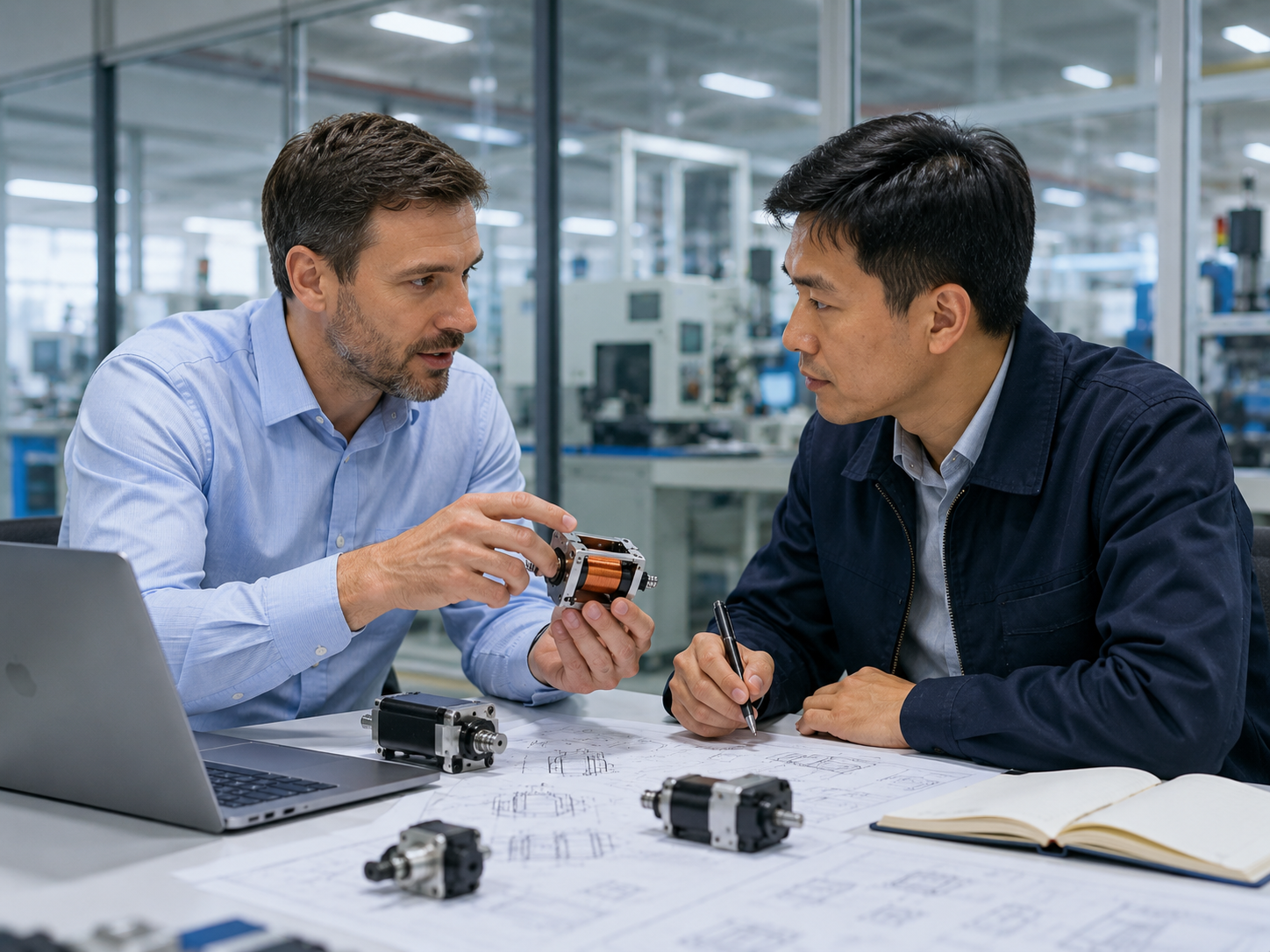
Many procurement managers I work with, especially from Europe and South America, start by looking at unit price. They often find Chinese suppliers offer competitive pricing, which is a significant factor. But the real reason for their long-term preference goes beyond just a low initial unit cost. It is ultimately about total value and a robust partnership. Chinese manufacturers, like us at SolenElec, have built strong OEM/ODM capabilities over decades of experience. We have in-house engineering teams. These teams specialize in coil design, materials selection, and tooling. This extensive expertise allows us to provide full customization services. We can go from initial product design and rapid prototyping all the way to efficient mass production. We operate 8 production lines. These lines are certified under ISO 16949, which speaks to our manufacturing quality. This scale supports high-volume production. It also allows great flexibility for custom projects. Our manufacturing systems include a sophisticated MES (Manufacturing Execution System). This ensures process transparency and full quality traceability for every component. This level of visibility is very important for brand managers. They need to ensure consistent quality and compliance across all their products. We consistently ensure our products comply with CE, UL, RoHS, REACH, TUV, and IEC standards. This meets the strict needs of global markets. When I see our annual purchasing volumes from top European brands exceeding USD 5 million, I understand it is built on trust and consistent performance. It is not just about a low initial price. It is about establishing a reliable, long-term supply partner. This partner reduces procurement risk. This partner ensures stable product performance in the market. This partner lowers after-sales and warranty costs. This ultimately supports the brand's reputation for quality. Chinese suppliers have grown to offer a complete package. This includes comprehensive engineering support, stringent quality control, and efficient manufacturing at scale. This makes them a strategic choice for many global OEMs.
Conclusion
Finding the right custom solenoid coil partner means looking beyond basic specifications. Focus on their ability to deliver consistent quality, ensure full compliance, and act as a true long-term partner. This approach safeguards your product's performance and your brand's reputation.