
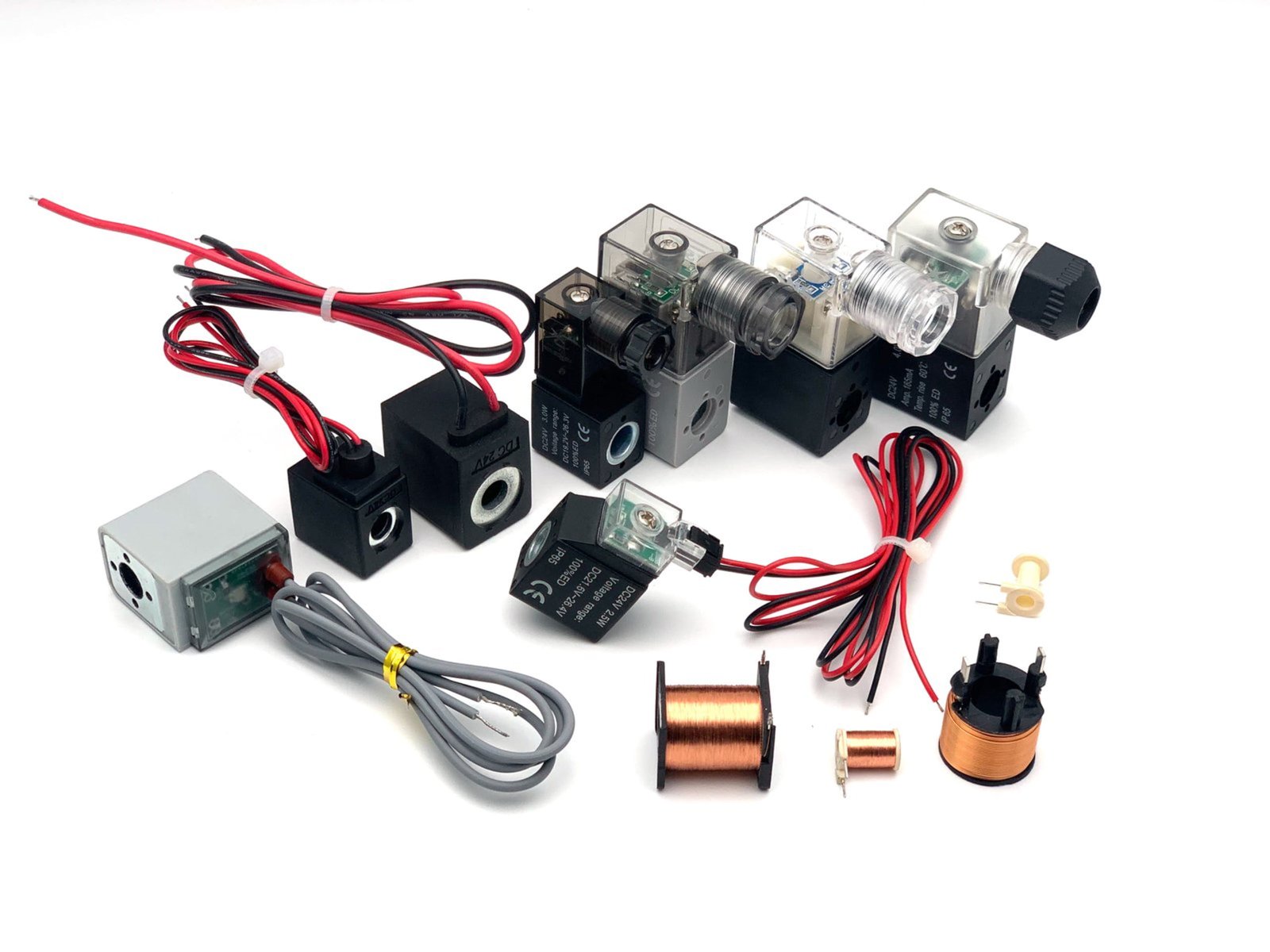
Struggling to understand how a simple component can control complex machines? This tiny part is the secret. I will show you how it turns simple electricity into powerful mechanical action.
A solenoid is an electromagnetic device1 that converts electrical energy into linear motion2. When an electric current passes through its wire coil, it creates a magnetic field3 that moves a metal plunger (or core) in or out. This creates a push or pull force.
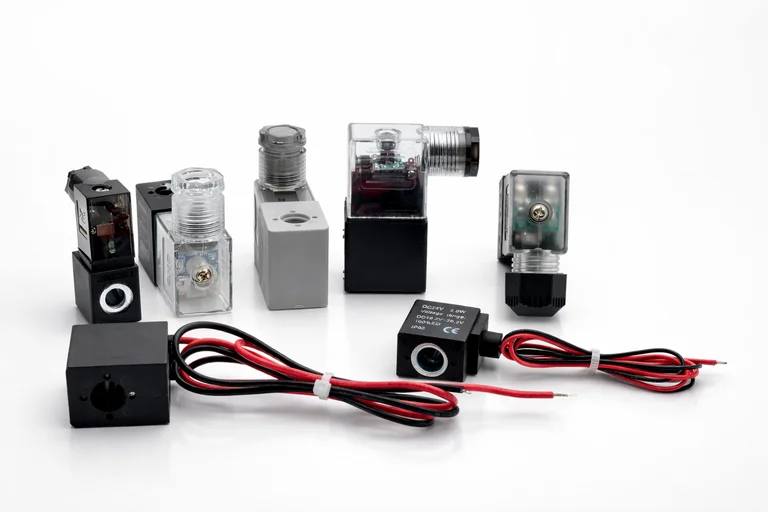
You see these components in technical drawings and supplier catalogs all the time. They look simple, but they are the key to automation in countless products, from your car to your coffee machine. I've spent over 20 years manufacturing them, and I've seen firsthand how crucial a deep understanding of this part is for creating reliable products. If you're a purchasing manager or a brand manager, knowing how this works is not just technical trivia; it's essential for making smart sourcing decisions. Let's break down what really matters.
What is the main purpose of a solenoid?
Need a reliable way to create a simple push or pull action? Mechanical levers are complex and can wear out. A solenoid gives you a clean, electrically-controlled motion every time.
The main purpose of a solenoid is to act as an automated switch or latch4. It uses electricity to create a short, linear push or pull movement. This simple action is used to open valves, lock doors, or trigger other mechanical processes.
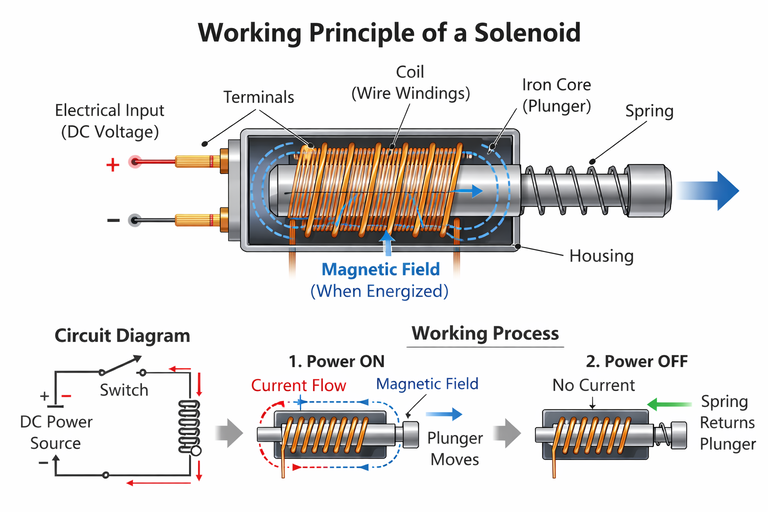
At its core, a solenoid is a motion creator5. Think of it like your finger pressing a button on a remote control. When you decide to press the button, your brain sends an electrical signal to your finger, and your finger moves to perform an action. A solenoid does the same thing, but much faster and more reliably, thousands or millions of times.
When we design a solenoid for a client, we're not just thinking about the part itself. We're thinking about the job it has to do.
- Force: How much strength does it need to push or pull? This depends on the number of turns in the copper wire coil and the amount of current flowing through it. More turns and more current mean a stronger magnetic field3, which results in a more powerful push.
- Speed: How fast does the action need to happen? The design of the core and the power supplied dictate the speed of actuation.
- Direction: Does it need to push or pull? This is controlled by the design and the direction of the current, which flips the magnetic poles.
Here’s a simple comparison to show why this matters:
| Motion Type | How it Works | Best Use Case |
|---|---|---|
| Solenoid (Linear) | Electrical current creates a magnetic field, causing a short push/pull. | Quick, on/off actions like locking, unlocking, or opening a small valve. |
| Electric Motor (Rotary) | Continuous electrical current creates a continuous magnetic field for rotation. | Continuous motion, like spinning a fan, a drill, or a wheel. |
| Mechanical Lever | Manual or mechanical force is transferred to create movement. | Simple, manual tasks where electrical power is not available or needed. |
For home appliance manufacturers6, this simple, reliable linear motion is gold. It’s what allows a dishwasher to release detergent at the perfect time or a coffee machine to control water flow with precision.
What happens when a solenoid goes bad?
Your product suddenly fails, and customers are complaining. The cause could be a tiny, inexpensive solenoid that has stopped working, damaging your brand's reputation for reliability.
When a solenoid goes bad, it usually gets stuck in one position or fails to activate at all. This means the valve it controls may stay open or closed, or the lock it operates will not engage or disengage, causing the entire device to malfunction.
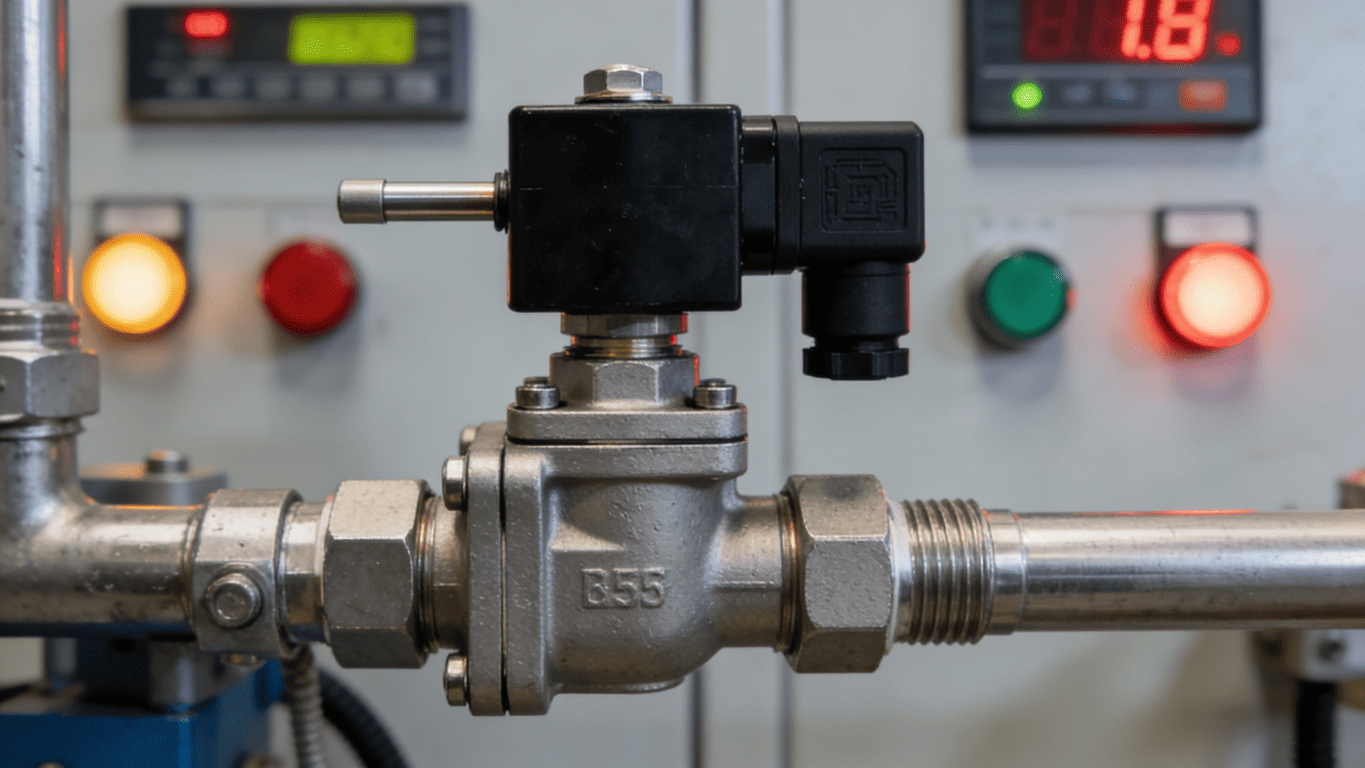
A failed solenoid is a big headache. I remember a client in Europe who was facing a high rate of warranty claims on their high-end washing machines. The machines would stop mid-cycle, unable to fill with water. After some investigation, we found the issue was the water inlet valve solenoid from their previous supplier. It was failing prematurely. The problem wasn't the machine's design; it was a single, low-quality component.
Failures typically fall into two categories: electrical or mechanical. Understanding them is key to preventing them.
Common Solenoid Failure Modes
| Failure Mode | Common Cause | Symptom | How We Prevent It |
|---|---|---|---|
| Coil Burnout7 | Overheating from too much current or being energized for too long. Low-quality copper wire. | Solenoid doesn't activate. You might smell burning plastic. | We use high-purity, temperature-rated copper wire and heat-resistant plastics. We also help clients choose the right duty cycle. |
| Stuck Plunger8 | Debris, corrosion, or physical wear inside the solenoid body. | The solenoid makes a buzzing sound but doesn't move, or it's stuck open/closed. | Our automated assembly happens in a controlled environment. We use precision injection molding for smooth internal surfaces. |
| Weak Activation9 | Incorrect voltage supplied, or internal short circuit in the coil. | The plunger moves weakly or not at all, failing to open a valve or release a latch. | 100% of our products undergo electrical testing to ensure they meet force and power specifications. |
| Mechanical Breakage10 | Fatigue from repeated use, or a weak return spring. | The plunger moves but does not return to its original position when power is cut. | We source high-quality springs and perform life-cycle testing to ensure durability for millions of cycles. |
By focusing on quality materials and strict process control, we solved our client's problem. We replaced their failing part with a robust, reliable solenoid. Their warranty claims dropped, and they secured their brand's reputation. This is why, as a procurement manager, the quality of your solenoid supplier is directly linked to your product's long-term success.
What is solenoid in simple words?
Trying to explain technical parts to a non-technical manager can be frustrating. The jargon gets in the way. Let me give you a simple way to think about it.
In simple words, a solenoid is an electric pusher or puller11. When you turn on the electricity, a metal rod moves. When you turn it off, the rod moves back. It’s an automated finger for machines.
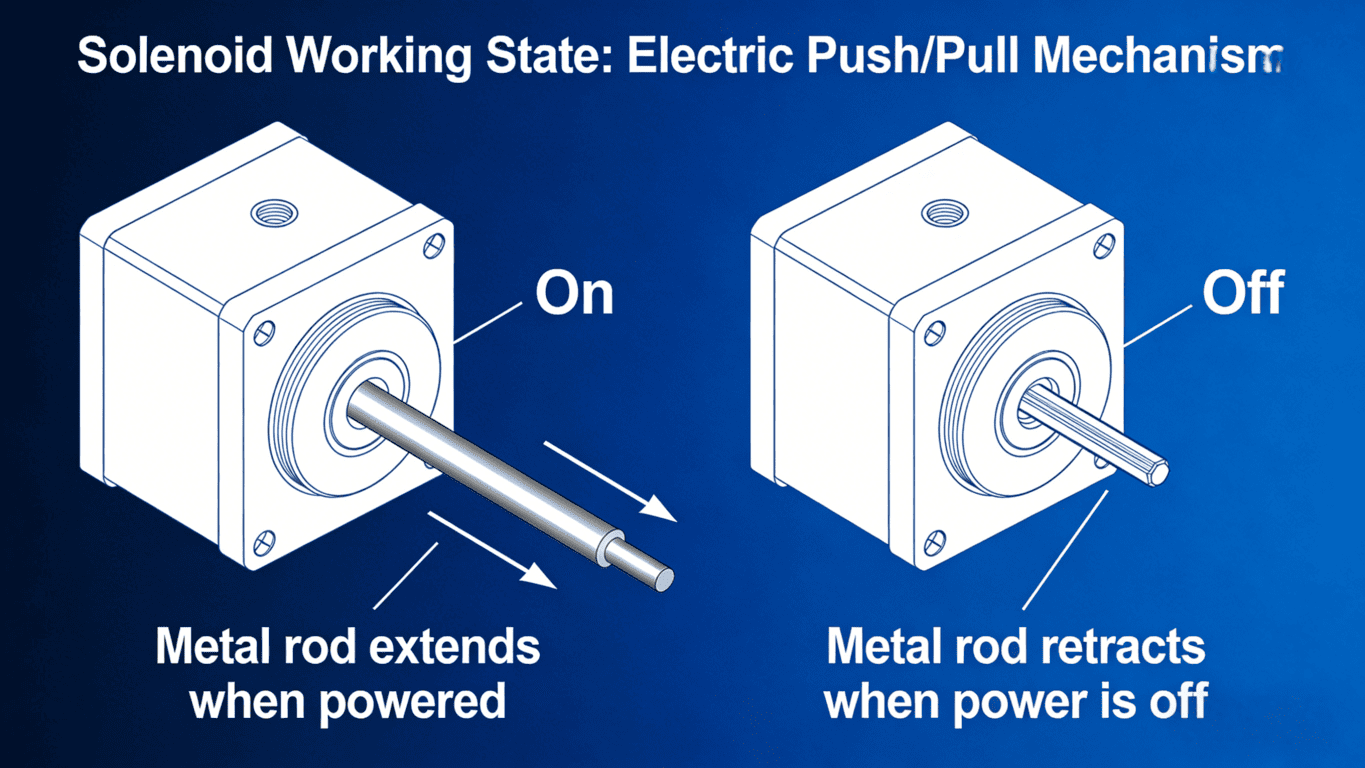
Let's use a real-world example I've worked on: a shared power bank station. You see these in malls and airports. The magic of how it locks and releases the power bank is a perfect illustration of a solenoid at work.
Here is the step-by-step process:
- Locking the Power Bank: You finish using a power bank and return it to an empty slot in the station. As you push it in, a sensor detects it. The station's main computer then sends a small electrical current to a solenoid located right behind the slot.
- The Solenoid Activates: The current flows through the solenoid's coil, creating a magnetic field. This field instantly pulls a small metal plunger (the core) forward. This plunger acts as a lock, physically blocking the power bank from being pulled out. It's now securely locked and charging.
- Unlocking the Power Bank: Later, another user wants to rent it. They scan a QR code and pay with their phone. The station receives a confirmation signal.
- The Solenoid Deactivates: The computer cuts the power to that specific solenoid. The magnetic field disappears. A small spring inside the solenoid immediately pushes the plunger back to its original, retracted position. The lock is now open.
- Ejection: At the same time, a larger spring located behind the power bank itself is now free to expand. It pushes the power bank forward a little, making it pop out of the slot for the user to grab.
This entire "lock and release" cycle is accomplished by a simple solenoid turning on and off. It’s a reliable, low-cost way to automate a physical action. This is the same principle we use in countless other applications, from the dispenser in a vending machine to the door lock on a hotel room.
Where are solenoids commonly found?
You might think solenoids are specialized parts for industrial machines. In reality, you probably own a dozen of them already. They are the invisible workhorses inside your everyday products.
Solenoids are commonly found in home appliances12, cars, and automated systems. They control water flow in washing machines and dishwashers, manage fuel in engines, operate door locks, and run machinery in factories. They are essential for automating simple on/off actions.

As a manufacturer supplying to major European home appliance brands, I see these components everywhere. Their reliability is critical because a failure in a tiny solenoid can disable an entire expensive appliance. For a brand manager, ensuring these small parts are of the highest quality is essential for customer satisfaction and brand reputation.
Let's look at some specific examples right from your home.
Solenoids in Your Home Appliances
| Appliance | Solenoid Function | Why It's Critical for Performance |
|---|---|---|
| Washing Machine | Water Inlet Valve | The solenoid opens to let hot or cold water in and closes to stop the flow. If it fails, the machine can either not fill or overflow. Precision and reliability are a must. |
| Dishwasher | Detergent Dispenser / Water Valve | A solenoid opens the dispenser door at the right time in the wash cycle. Another controls the water intake. A failure means dirty dishes or a flooded kitchen. |
| Refrigerator | Ice/Water Dispenser Valve | When you press the lever for water or ice, a solenoid opens a valve to dispense it. It must be food-safe and extremely reliable for thousands of uses. |
| Espresso Machine | Steam & Water Valves | High-end coffee machines use multiple solenoids to control the flow of hot water and steam with great precision, which is key to making a perfect shot of espresso. |
| Smart Door Lock13 | Locking Mechanism | When it receives a signal from your phone or a keypad, a solenoid retracts the deadbolt to unlock the door. Security and reliability are paramount here. |
In each of these cases, the solenoid is performing a simple but vital task. As an OEM/ODM partner, our job is to provide a customized solenoid that fits perfectly and performs flawlessly for the product's entire lifespan. This involves selecting the right materials, ensuring compliance with standards like CE, UL, and RoHS, and implementing rigorous quality control with our MES traceability system. The next time you use an appliance, remember the small but mighty solenoid working inside.
Conclusion
Solenoids are the simple, powerful heart of automation. They turn basic electricity into motion, and understanding this helps you source better components and build more reliable products for your customers.
Understanding electromagnetic devices can help you grasp how solenoids convert electrical energy into motion. ↩
Exploring linear motion will clarify how solenoids perform their essential push or pull actions. ↩
Learning about magnetic fields will enhance your understanding of how solenoids function. ↩
Understanding automated switches or latches will show how solenoids control mechanical processes. ↩
Exploring solenoids as motion creators will illustrate their role in mechanical actions. ↩
Understanding the role of solenoids in appliances will highlight their significance in everyday products. ↩
Understanding coil burnout will help you avoid electrical issues in solenoid operation. ↩
Exploring stuck plungers will reveal mechanical challenges in solenoid function. ↩
Learning about weak activation will help you ensure solenoids perform effectively. ↩
Understanding mechanical breakage will help you maintain solenoid durability. ↩
Exploring solenoids as pushers or pullers will clarify their basic mechanical role. ↩
Discovering solenoid applications in appliances will highlight their everyday importance. ↩
Exploring solenoids in smart locks will reveal their role in modern security systems. ↩